Complete Ceremony Writing Guide

Photo courtesy of: This is Feeling
Couples ask us all the time, “What actually goes into a ceremony?” “How do I start writing my ceremony with my officiant?” Most BW Studio couples are usually picturing their vows + rings… and that’s it. What they don’t realize is there’s also typically:
Processional (who walks when and with whom)
Welcome and Opening words
Officiant Story or Remarks
Readings (optional)
The Declaration
Vows
Ring Exchange
Pronouncement + Kiss
Recessional
This part of the planning process is usually a big moment of overwhelm for a couple and their officiant! But not to worry, we have a complete guide of how to start and what to consider when writing your ceremony.
Here are some starter questions to get your wheels turning!
How long should the ceremony be?
The sweet spot for your ceremony is about 15-20 minutes. Anything shorter can feel rushed, but anything longer can start to lose the attention of your crowd unless it’s super intentional and fun.
Do we have to write our own vows?
Totally up to you two! You can repeat traditional vows, write your own custom vows, or say your personal vows in private and then repeat the traditional “to have and to hold” vows in front of your guests.
How do we make the ceremony feel like us?
This is the big one! How do you make the ceremony feel personal without being invasive?
Consider having your officiant tell the story of how you met, how you fell in love, or something interesting about your journey together. But most people at your wedding ceremony will already know some portion of this story so you don’t need to go into the nitty-gritty details. Keep it light and fun!
Do we need readings or special rituals?
Again, this is all up to your personal preferences!
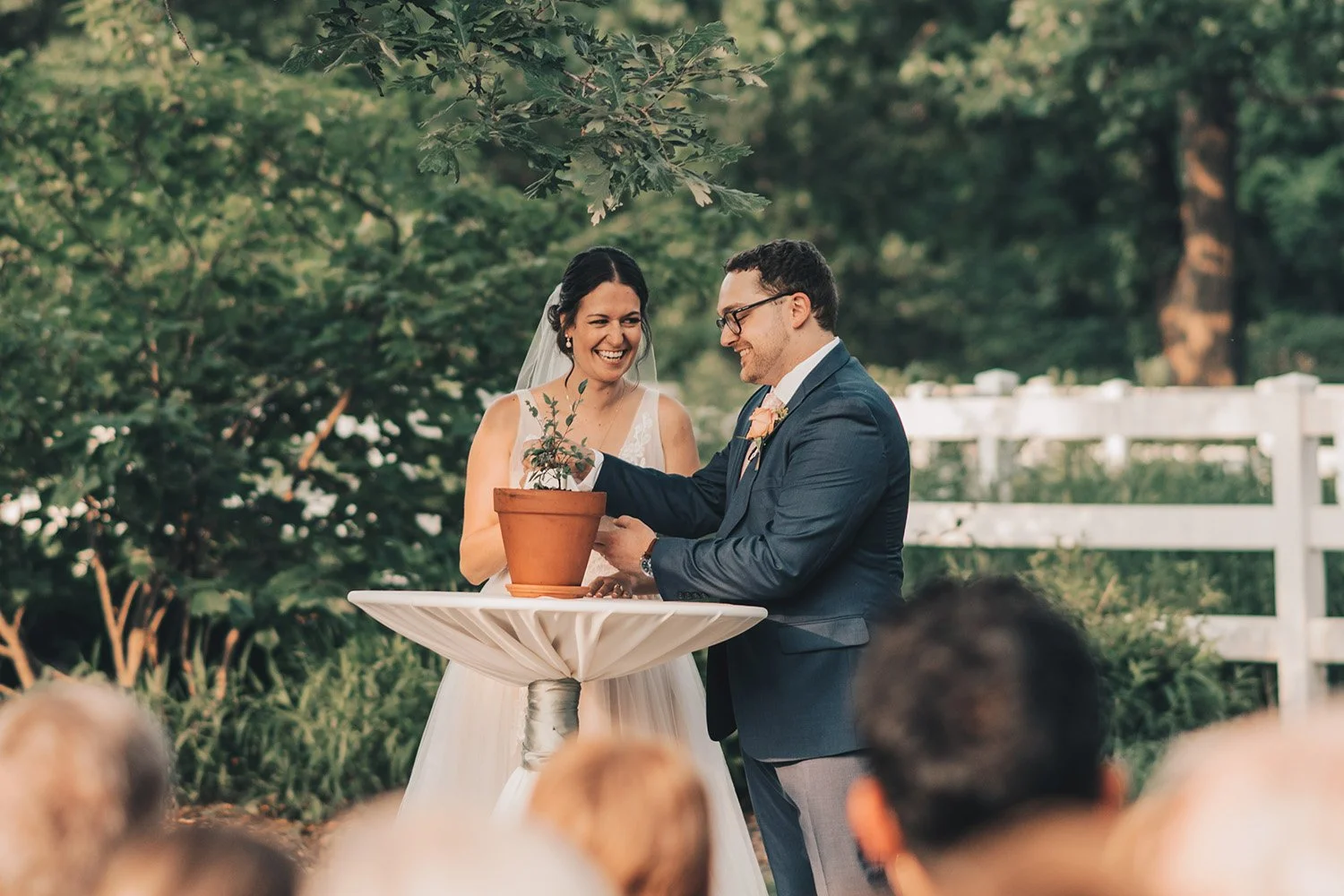
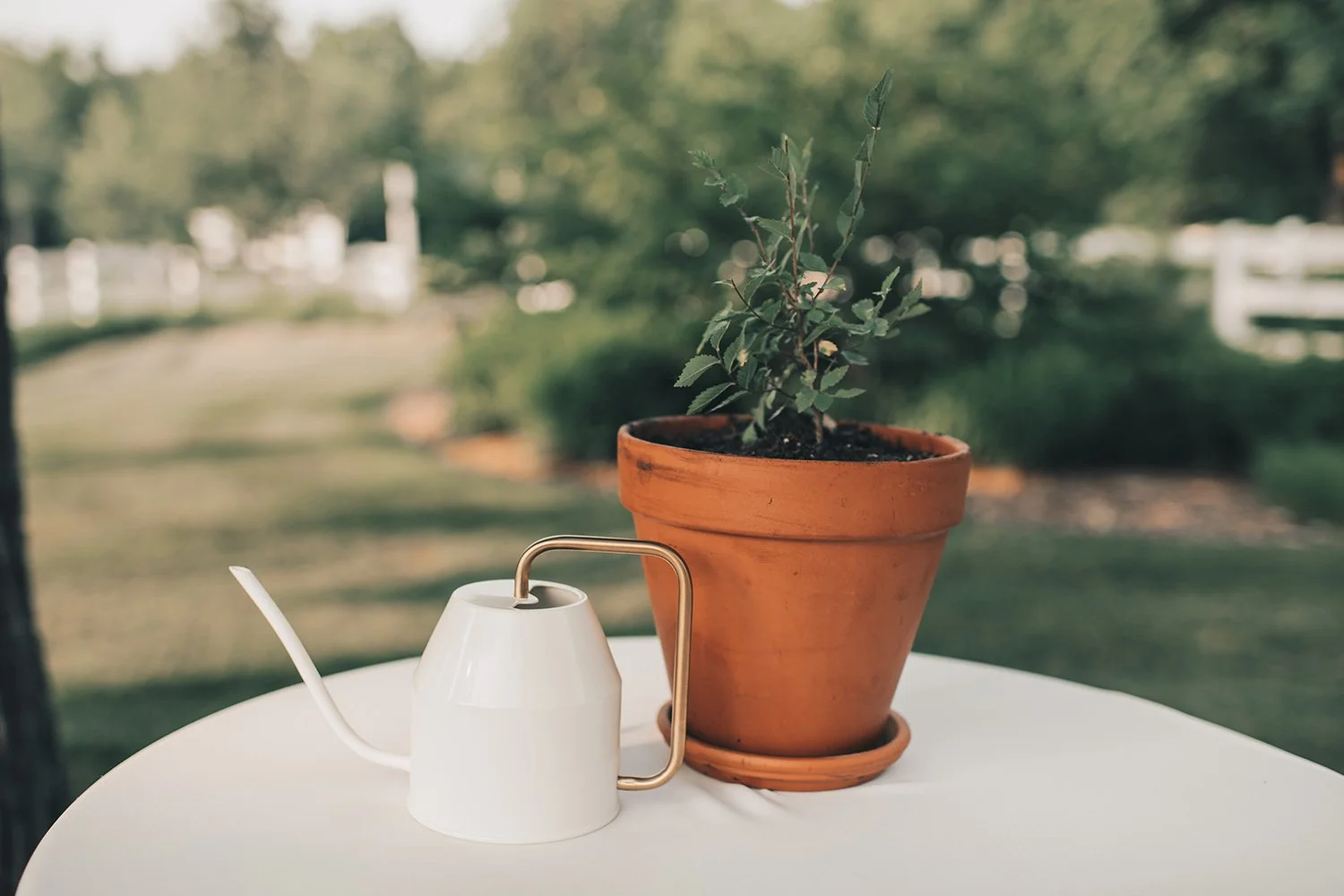
You can include traditional readings, modern readings, poetry, or short stories - even song lyrics. And you can consider all kinds of unique rituals like unity candles, sand ceremonies, or hand fasting ceremonies. The options are absolutely endless. But do something that feels natural to YOU two and not just what your families want. This is your day and your forever ceremony!
Who walks down the aisle and in what order?
We know this can get surprisingly complicated fast, especially if you have divorced parents or blended families. But again, do what you want to - it’s your big day!!
Traditionally, we see the officiant enter first, honored family members (grandparents, parents, etc), the first partner, and then the whole wedding party (in pairs or singles) followed by the littles (flower girls and ring bearers), and then the second partner. Both partners might walk in with their parents, siblings, or go it solo. You can mix and match this plan up to suit your needs and your group. There is no right or wrong way to do this!!
What does the officiant actually say?
Couples often assume: The officiant just “knows what to do”. But I promise you, they do not - especially if it’s a friend or family member officiating for you. All officiants need guidance on what you want them to talk about, what stories to tell (and not tell), and how to craft your ceremony in a way that feels natural and personal. They also need to know what tone to inflect - religious, spiritual, modern, or really lighthearted.
What’s legally required vs. optional in the ceremony?
Such a great question, especially with friend-officiants. Research what must be said in your state and what requirements your officiant must meet to marry you. Usually, it’s a simple declaration of married. “Do you (name) take (name) to be your spouse?” And you reply, “I do” or “I will.” And then it’s done! Typically the marriage license can be signed by your officiant at any time during that day. But again, double check - all states and counties can differ slightly!
Photo courtesy of: Jess Onesto Photography
Now that we’ve talked through some of the basics, let’s work on a simple Ceremony Builder to start drafting your ceremony outline.
Ceremony Builder
Below you will find a pretty simple, plug-and-play ceremony layout written by seasoned wedding planners for couples who want something meaningful, personal, and not painfully complicated.
How to use this Ceremony Builder:
Use this guide to craft a ceremony that feels like you without starting from a blank page. Pick the pieces that fit, skip the ones that don’t, and hand the finished (or highly drafted) version to your officiant and work on filling in the gaps together.
Reminder: Your ceremony does not need to be super long to be extremely meaningful. Most ceremonies are about 15–20 minutes long.
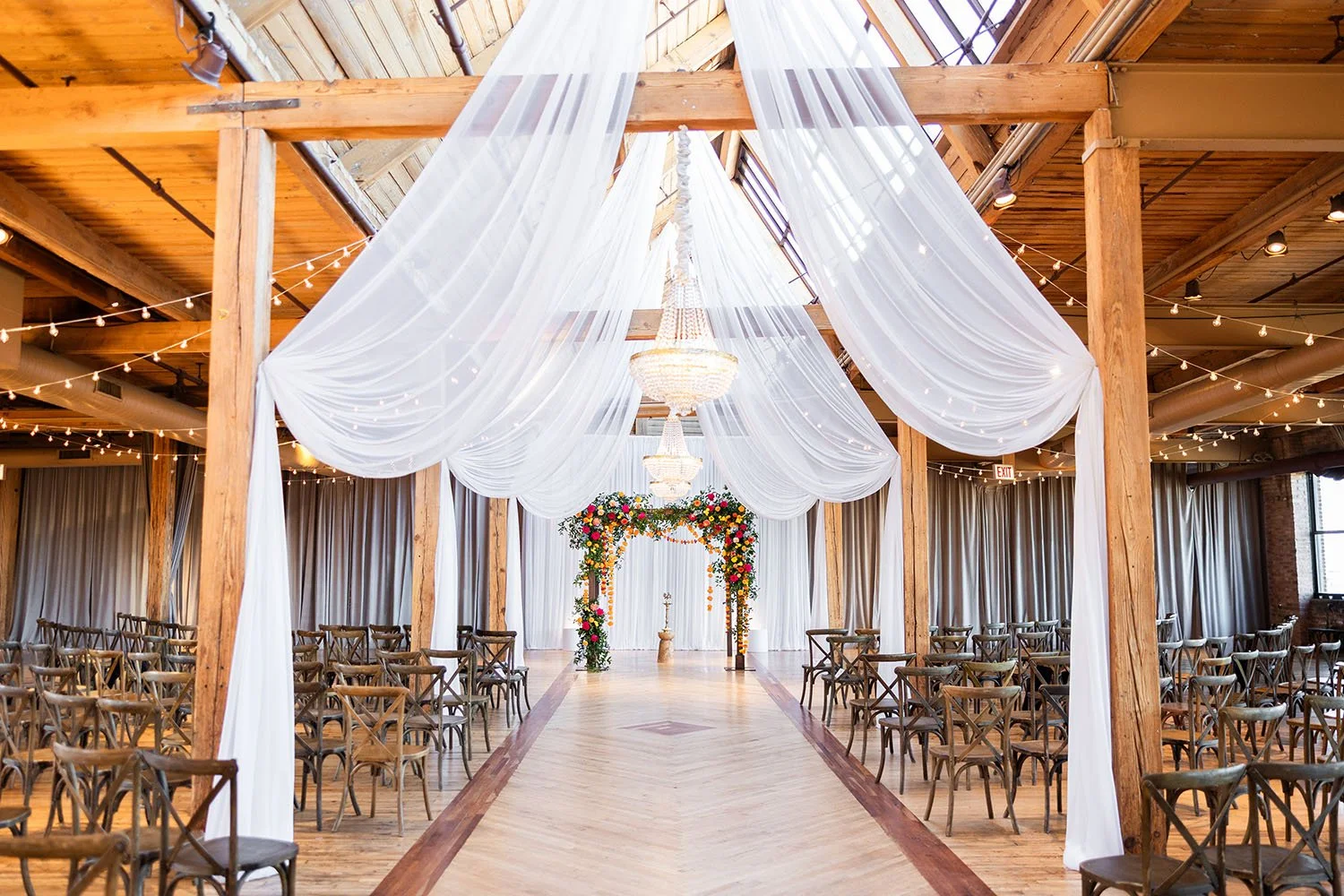
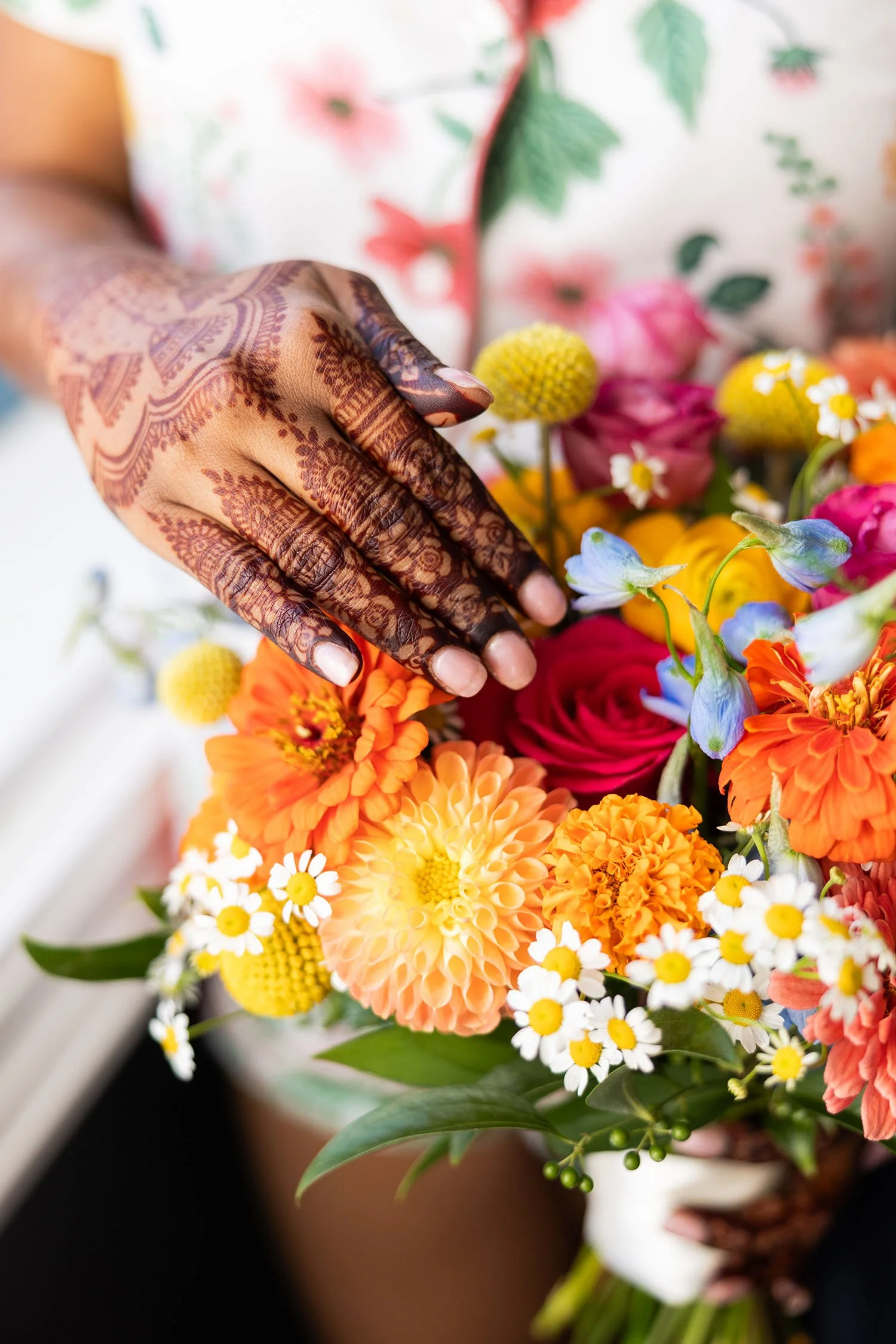
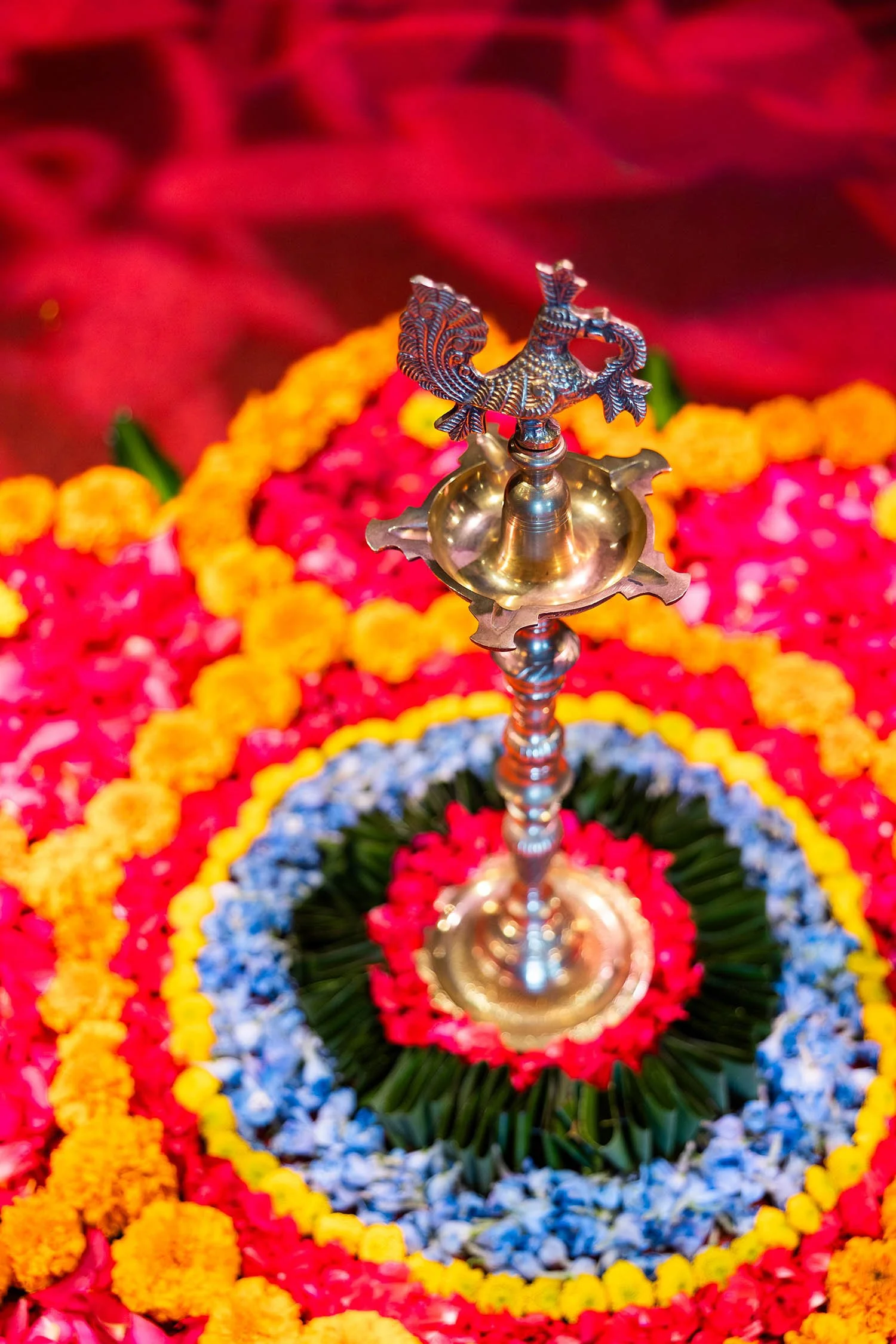
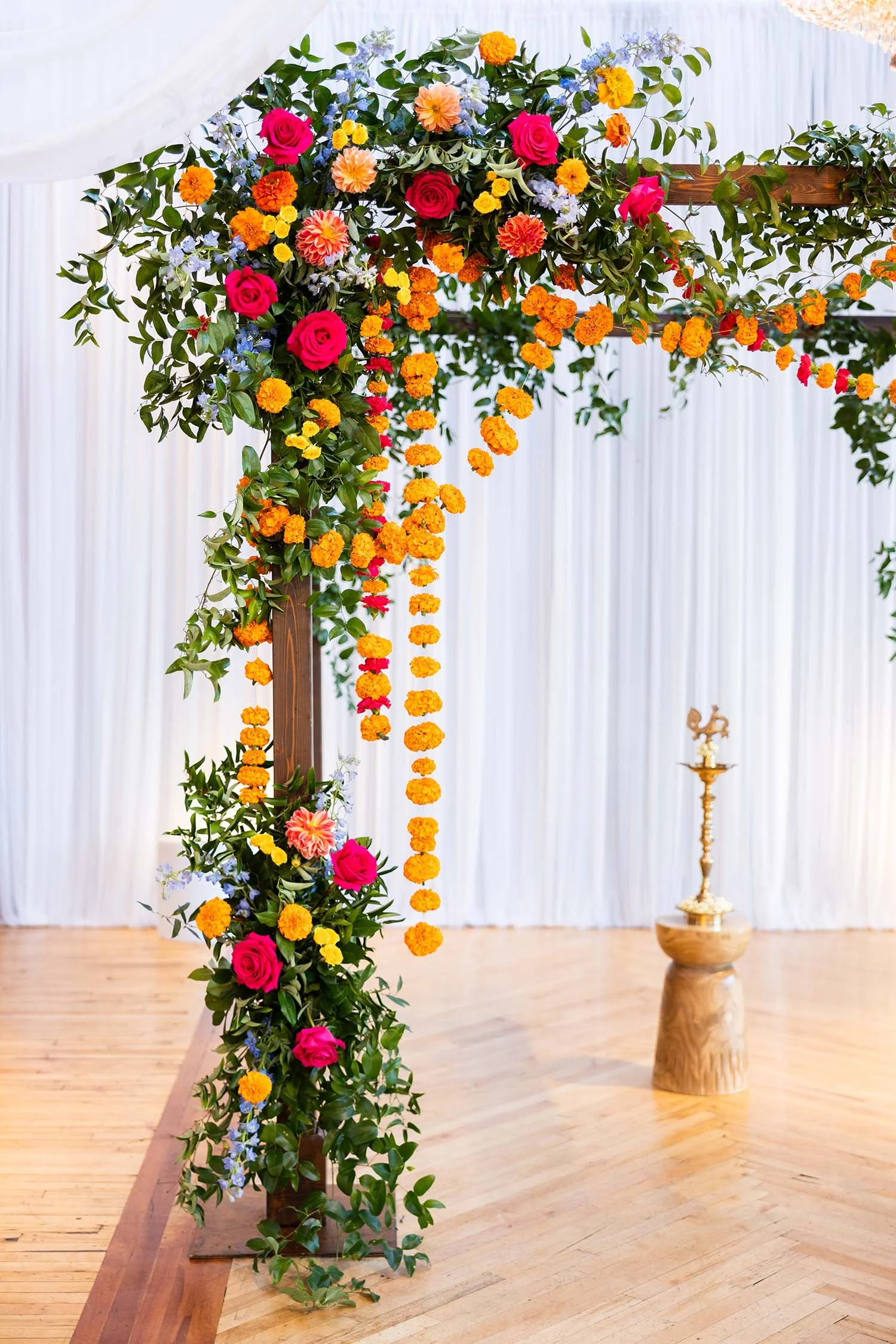
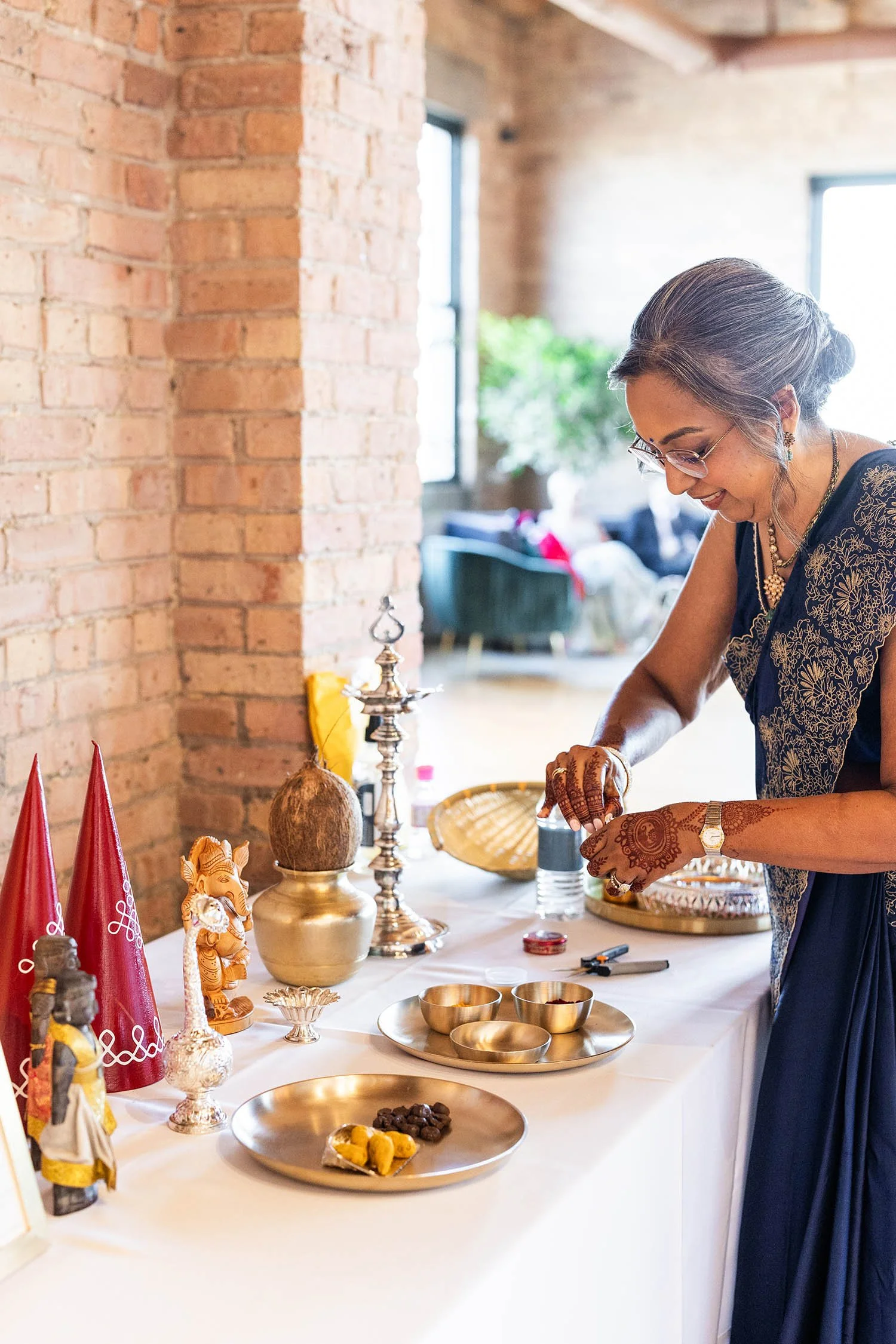
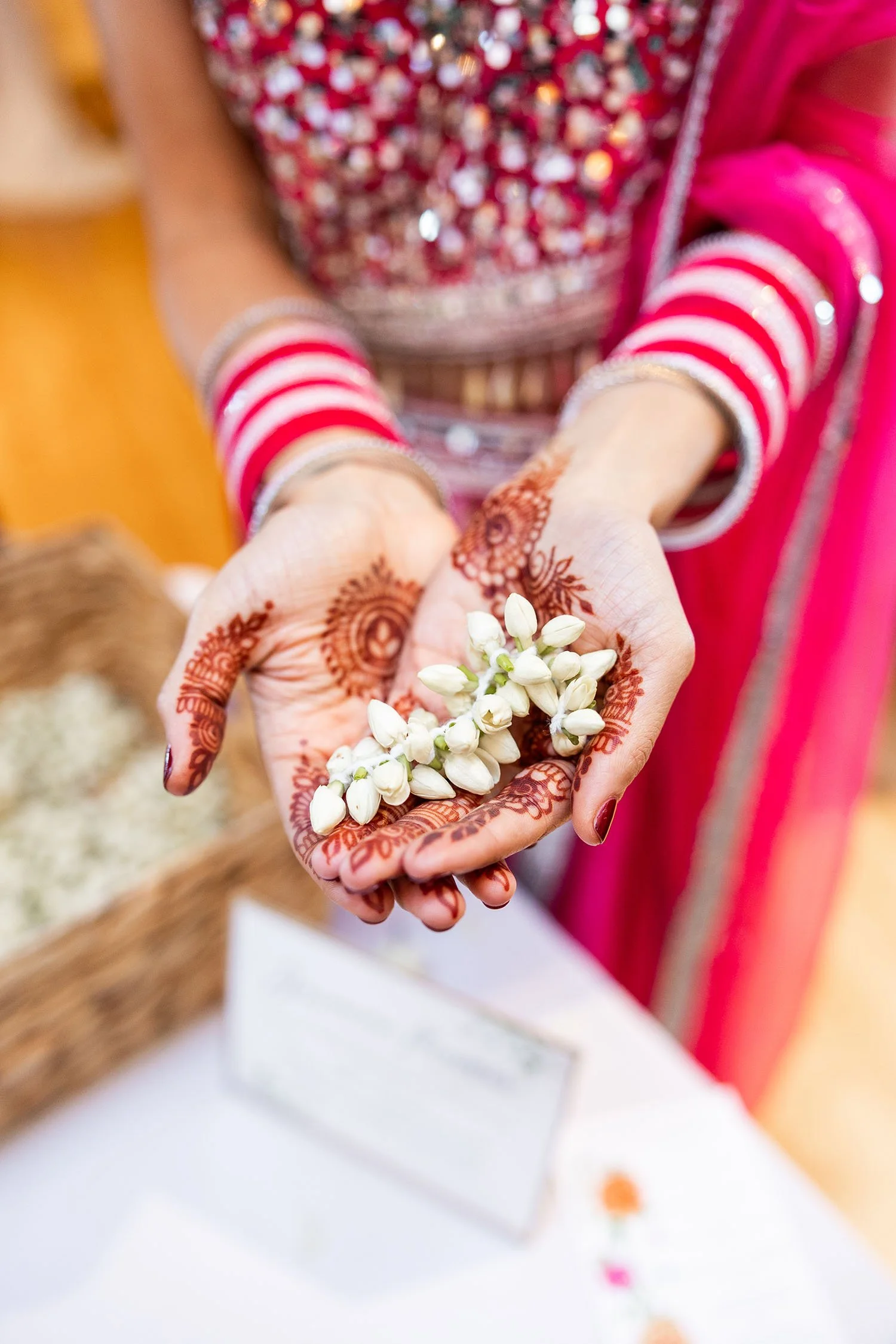
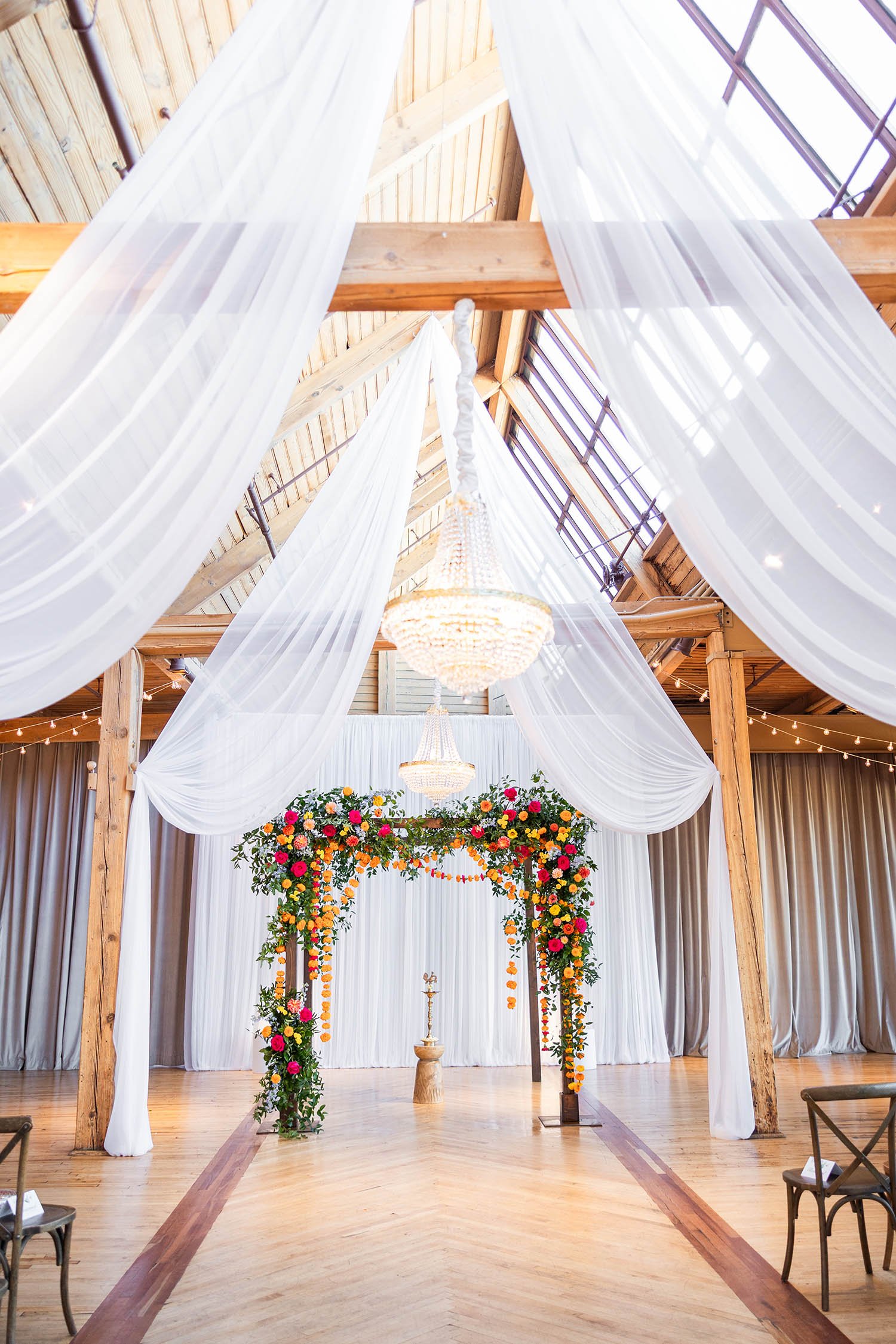
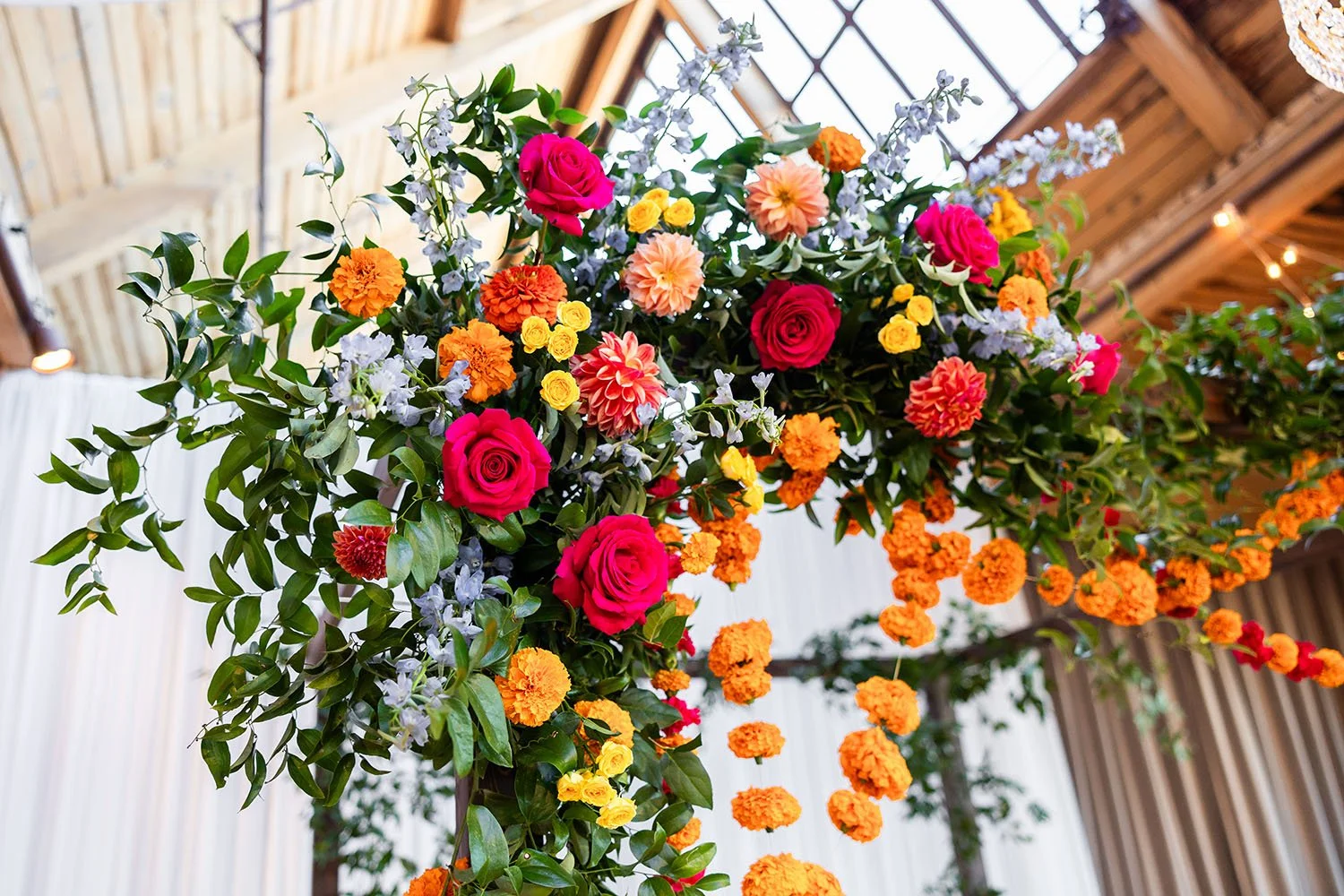
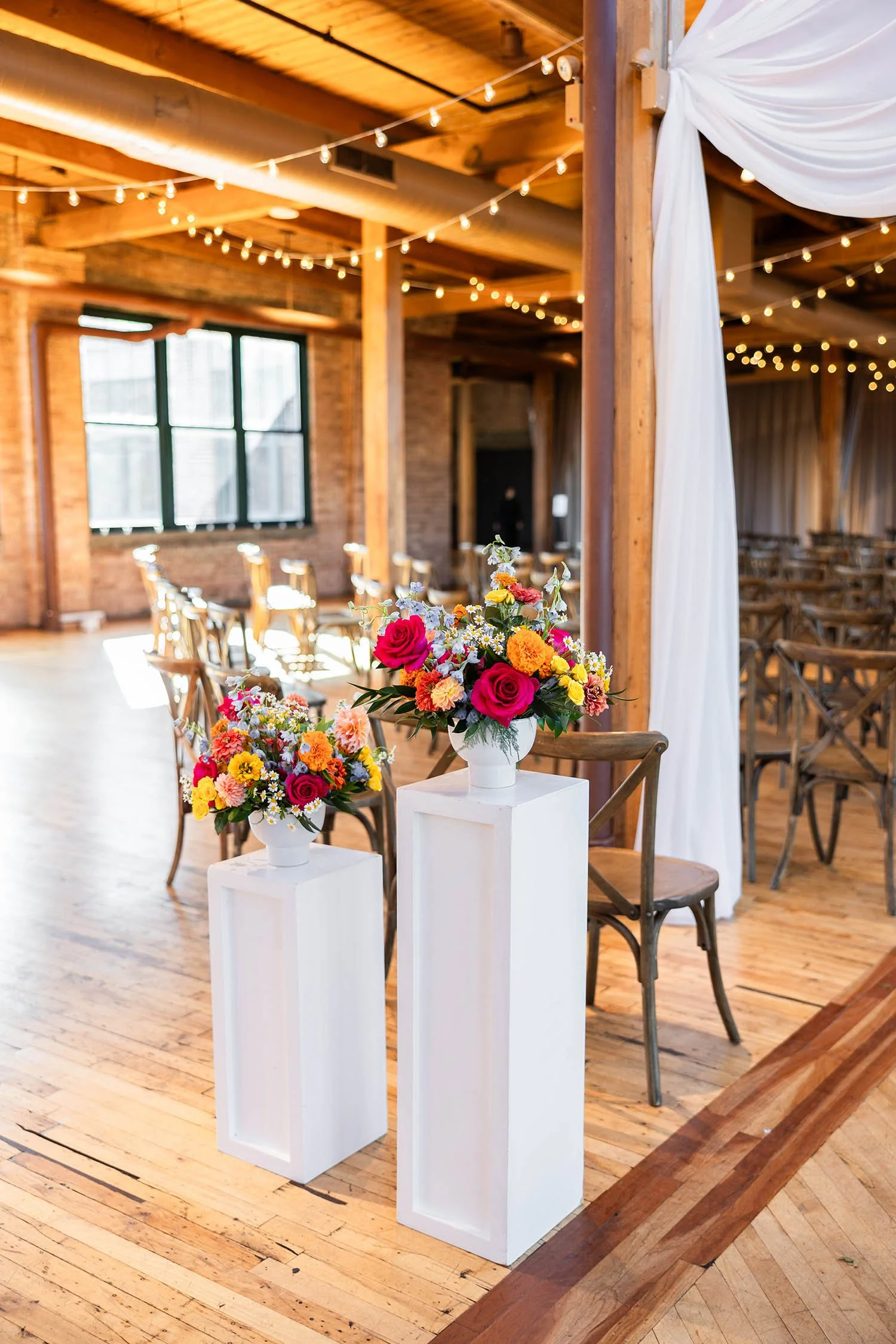
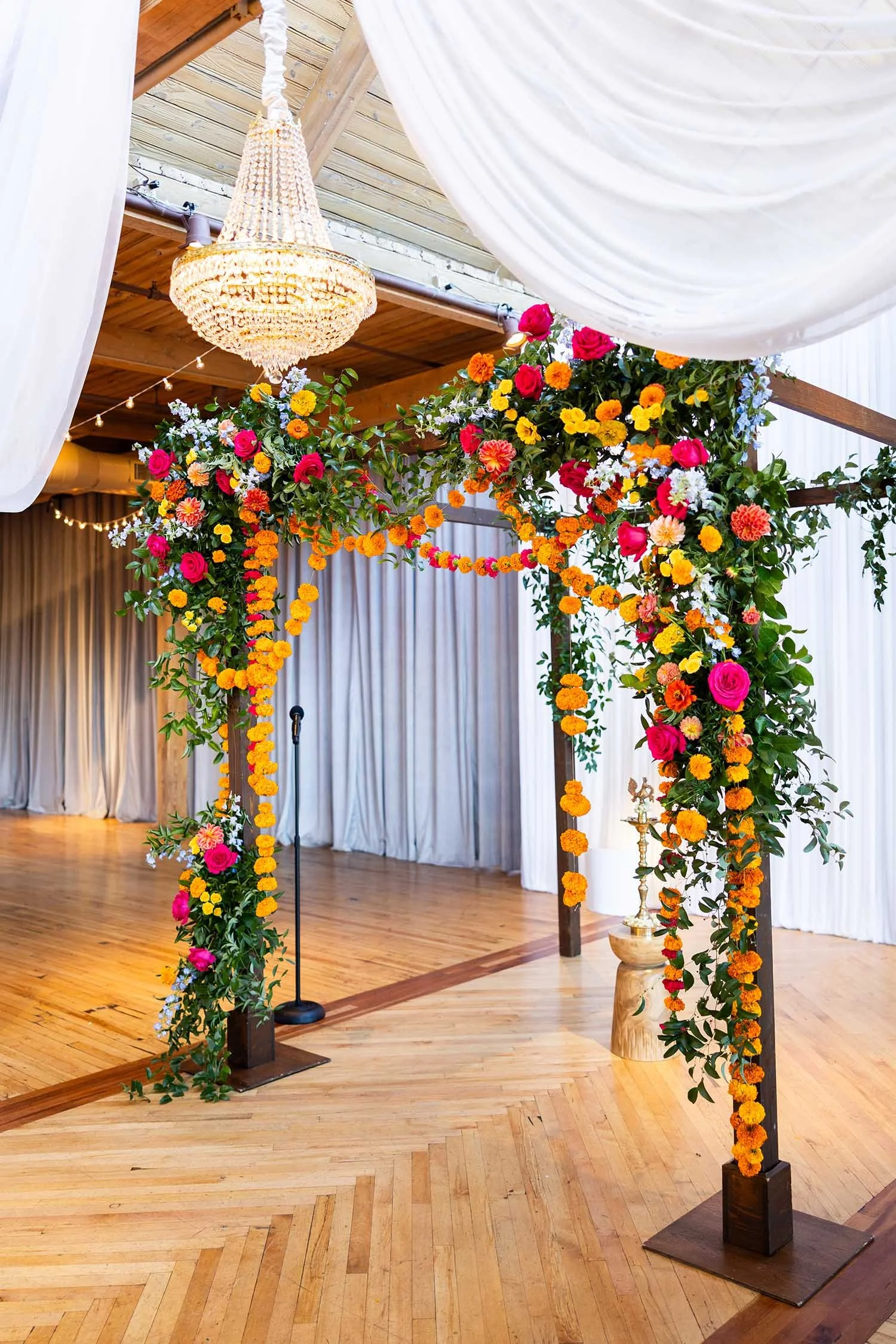
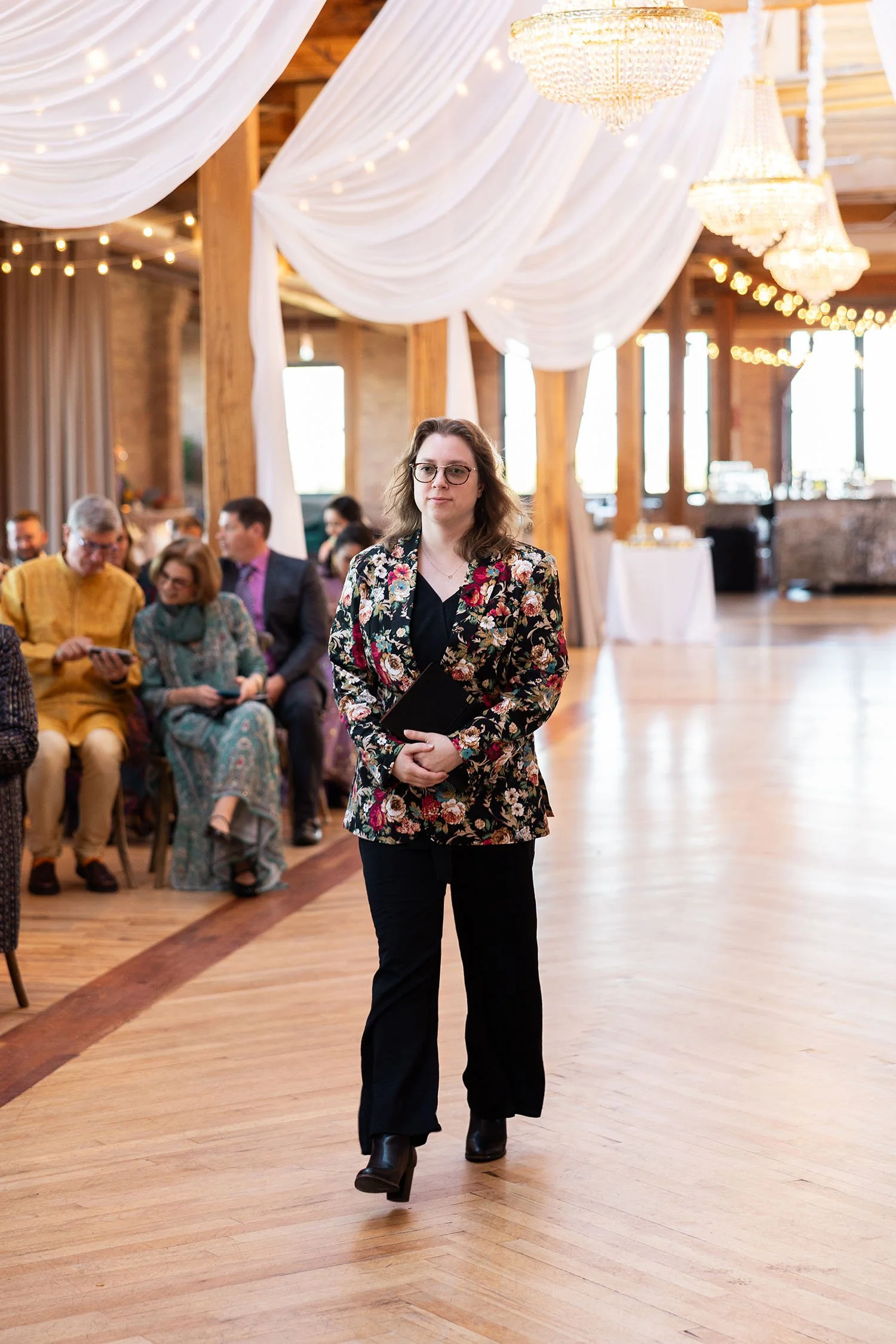
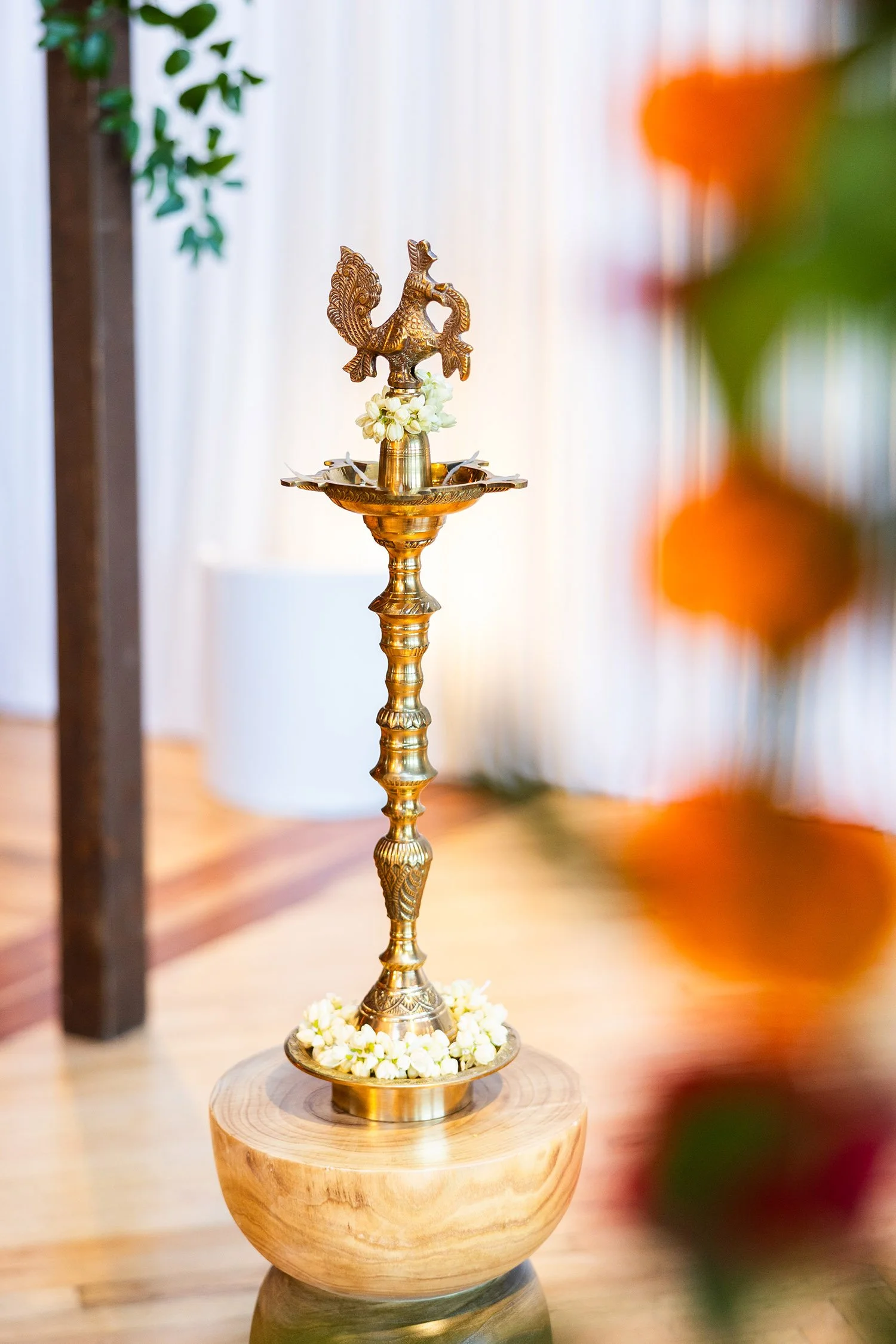
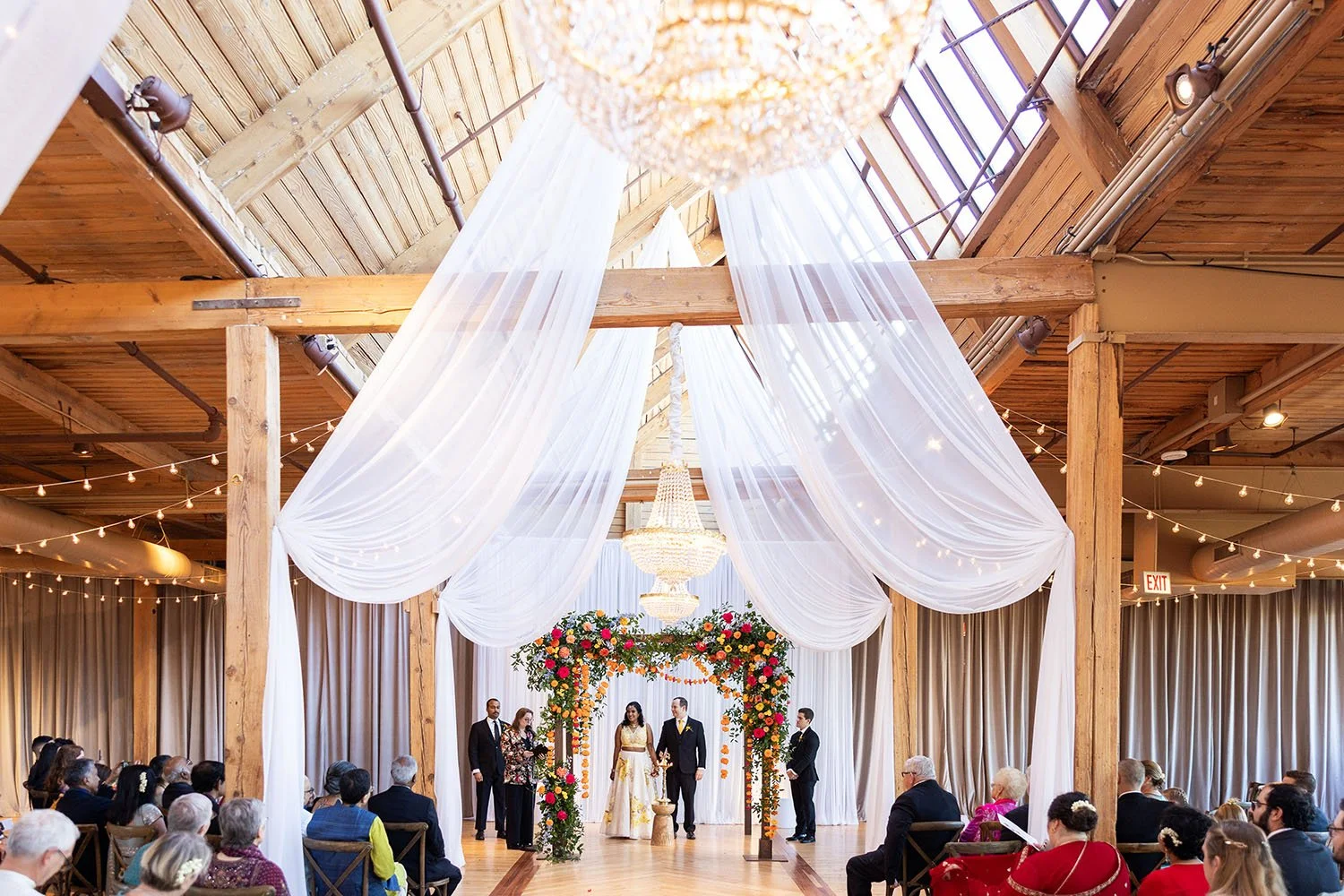
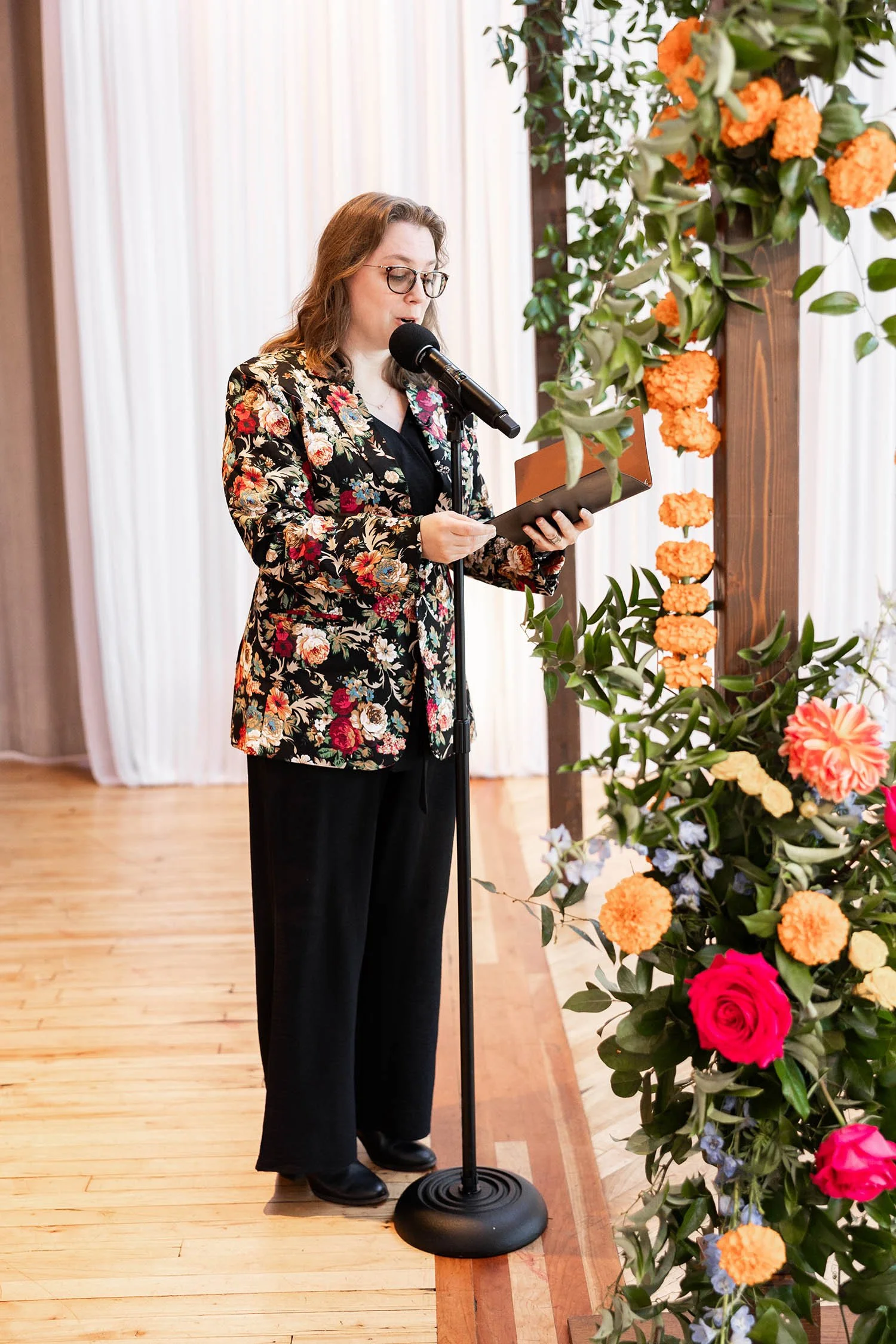
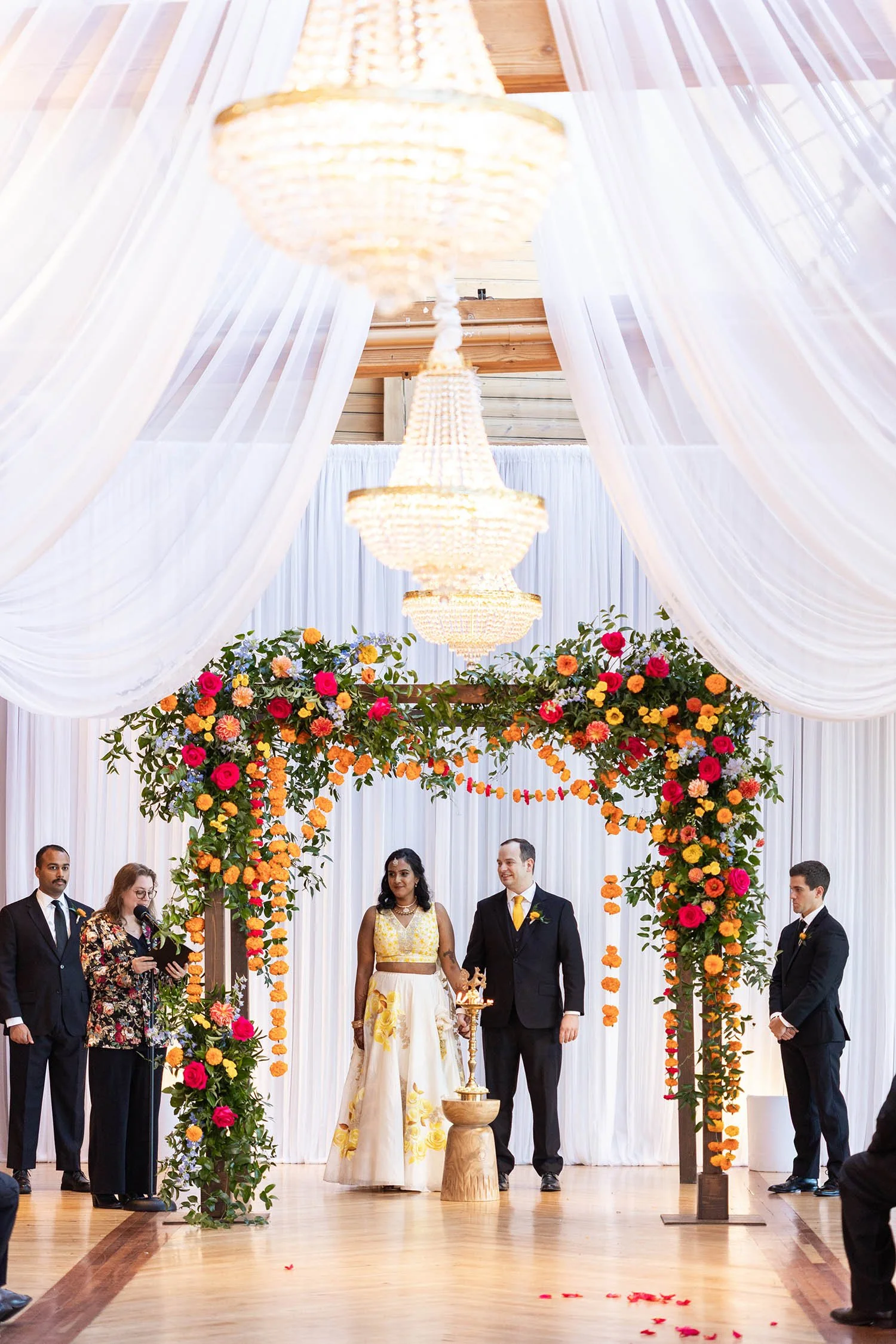
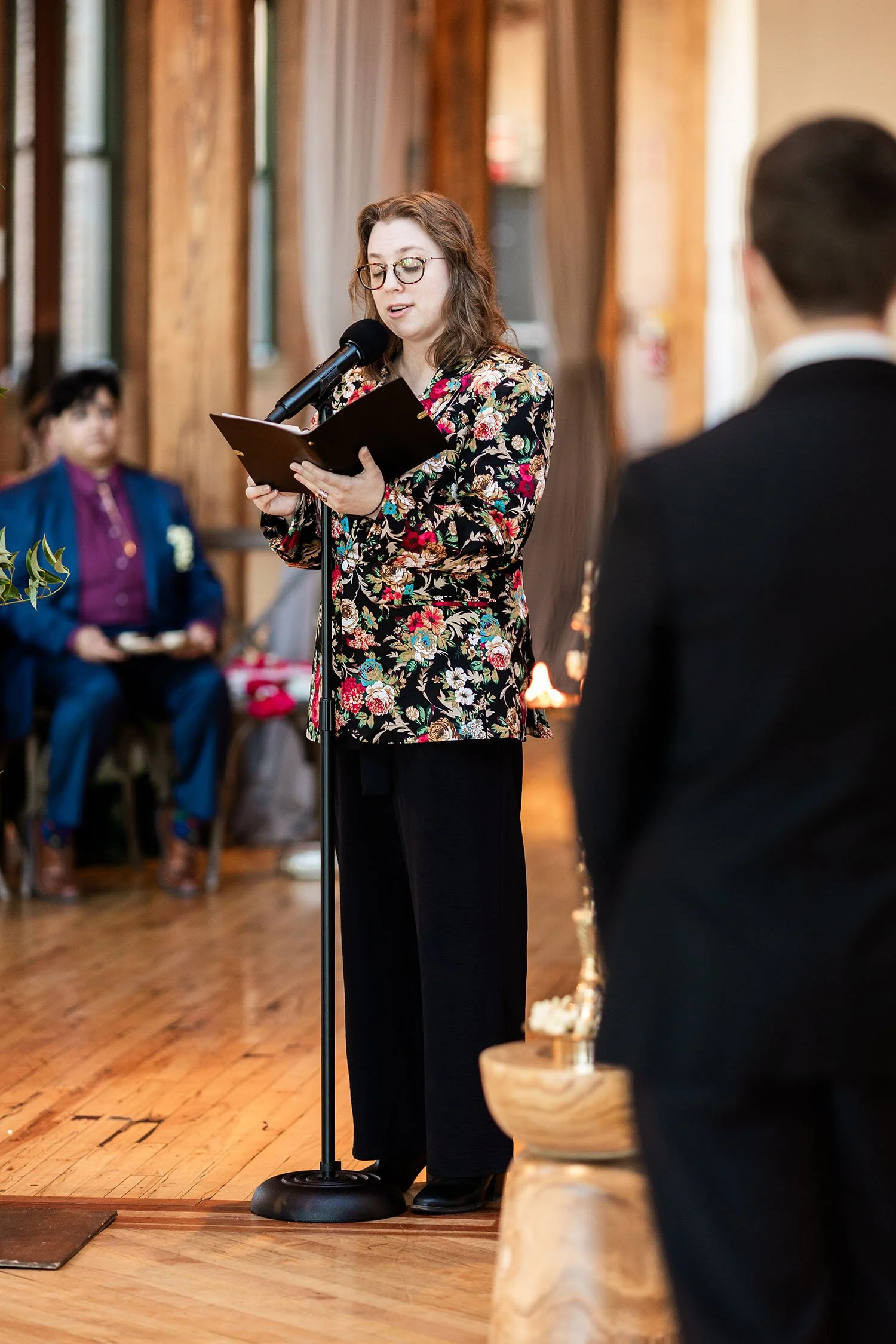
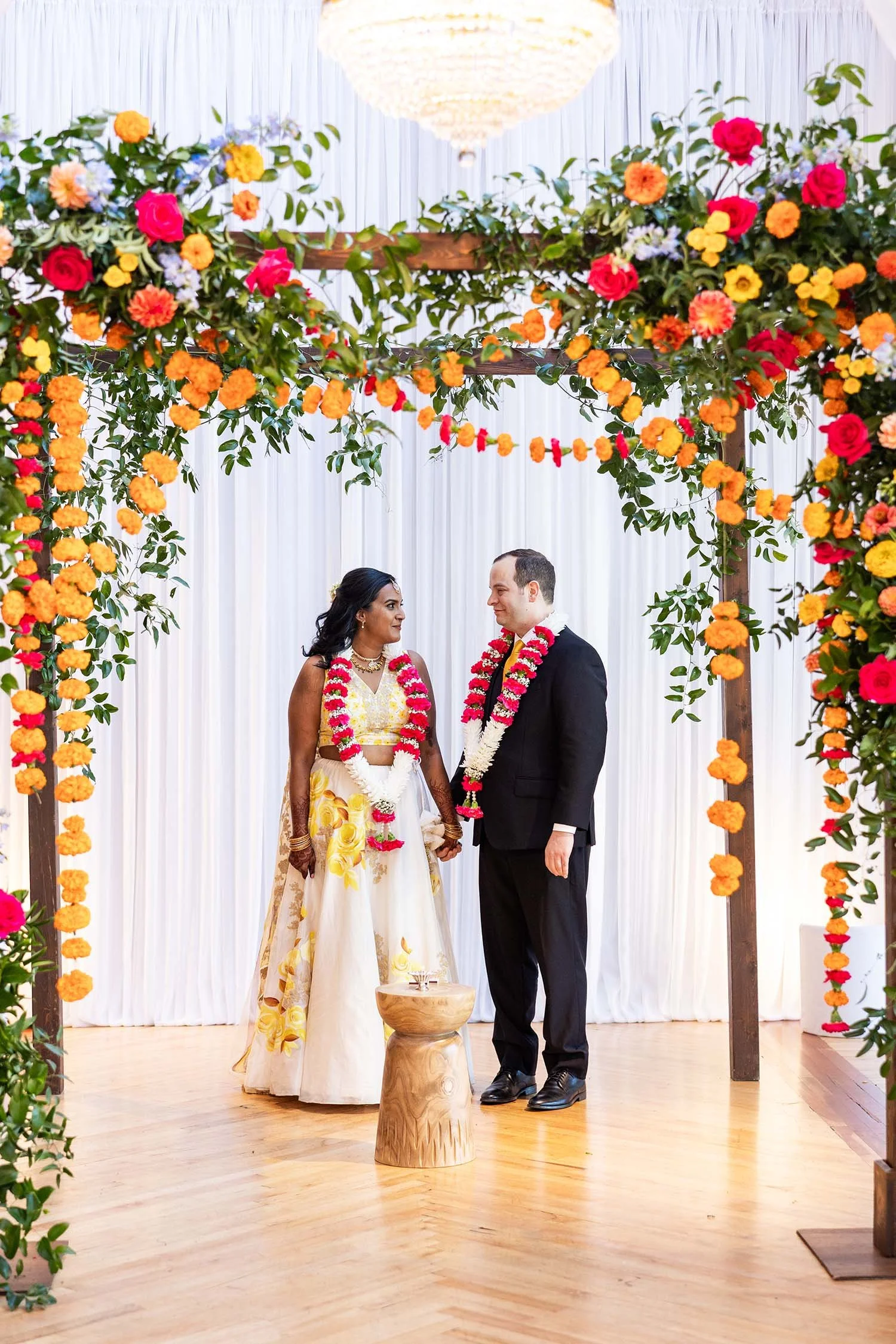
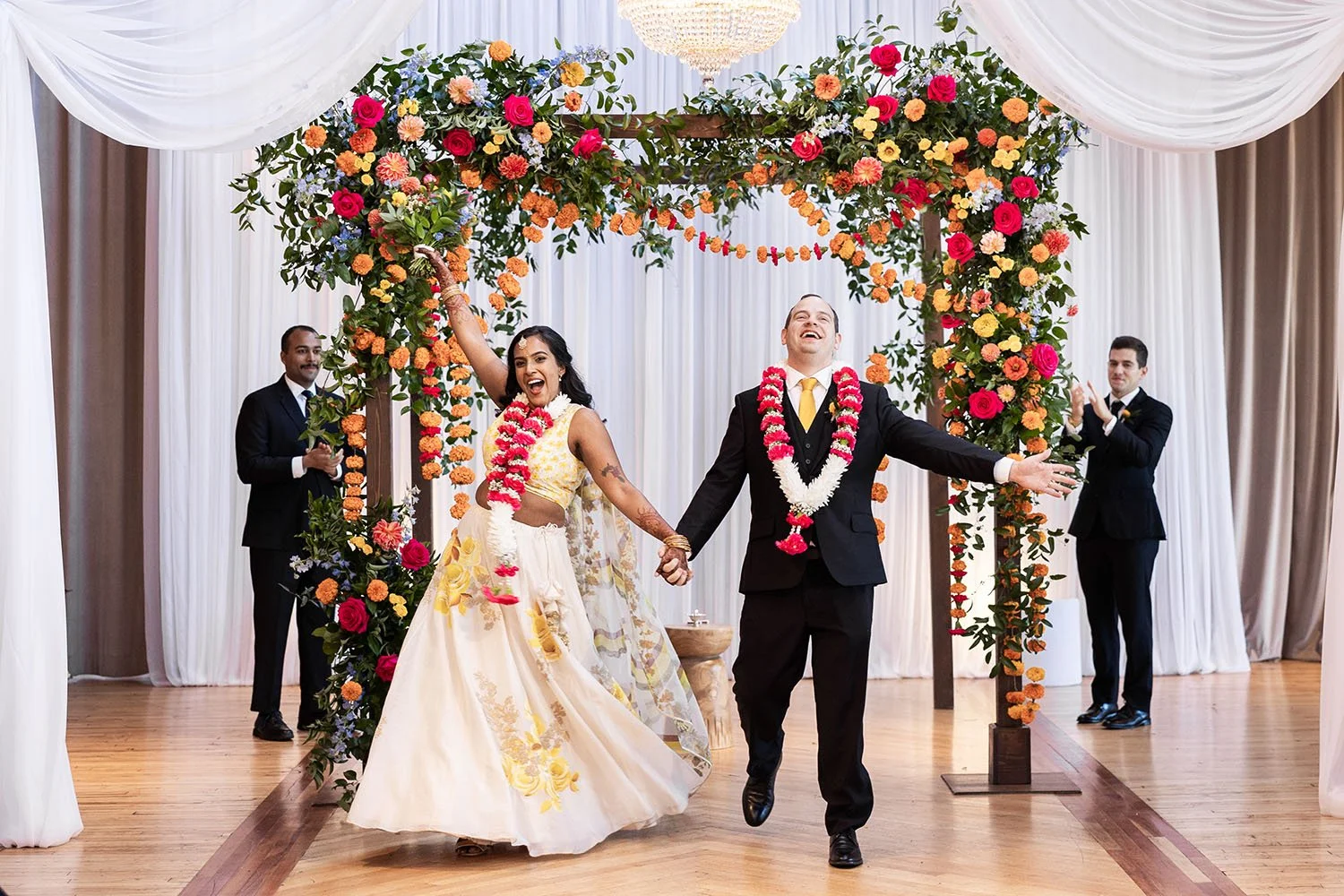
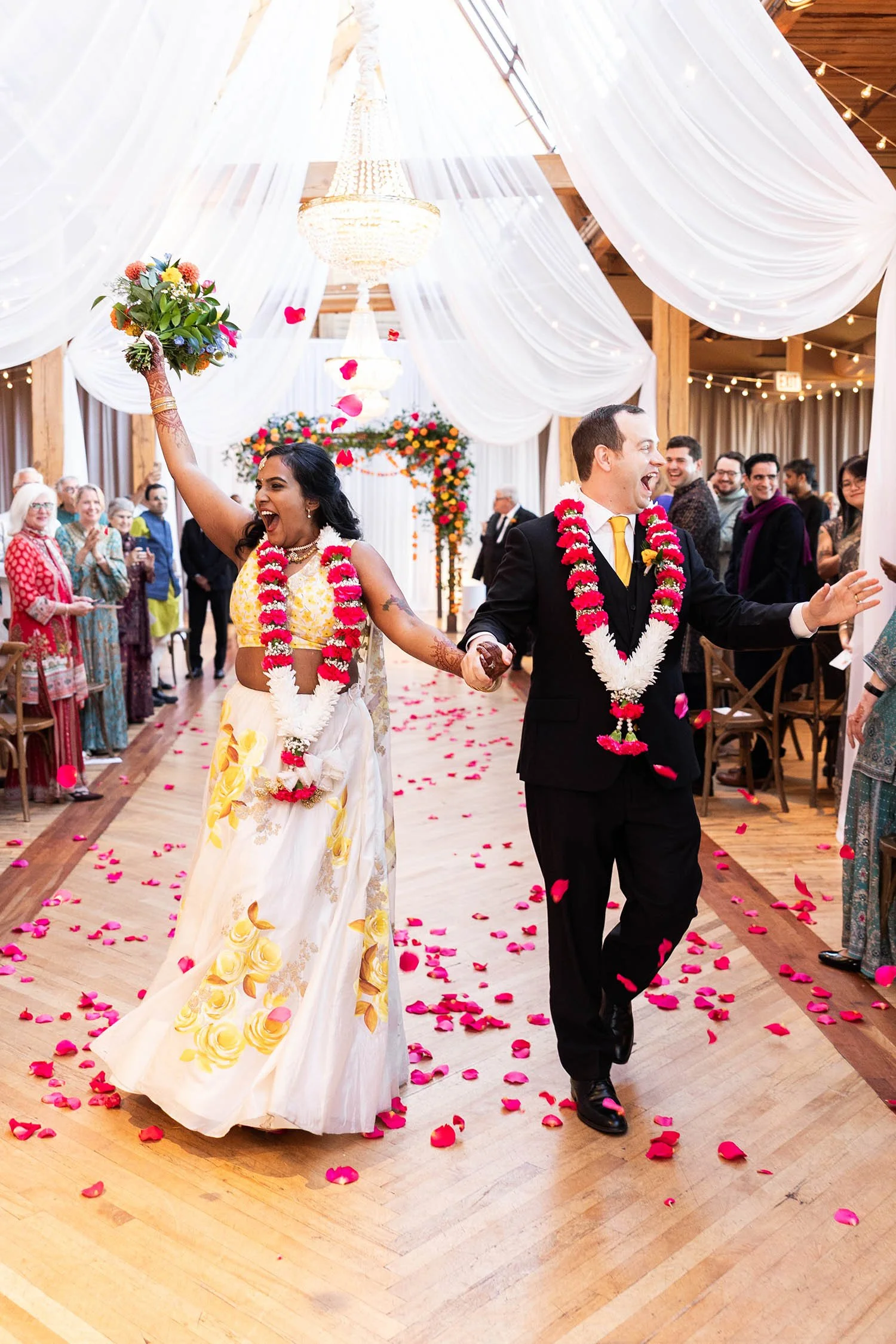
Photos Courtesy of: Zachera Photography
Officiant: Rebecca Pope of Something Profound Weddings
1. Ceremony Vibe Check
Before you write a single word, choose the overall feeling.
We want our ceremony to feel: [Fill in the blank here]
Consider all that apply:
Romantic
Warm and personal
Lighthearted
Funny but still meaningful
Traditional
Spiritual but not religious
Religious
Short and sweet
Emotional
Modern
Family-focused
We definitely do not want it to feel:
Too formal
Too cheesy
Too long
Too religious
Too casual
Like a performance
Complete this sentence:
We want guests to leave our ceremony feeling [blank].

Photo courtesy of: Fuller Photo Co
2. The Basic Ceremony Flow
Use this as your default structure. Add, remove, or rearrange as needed.
Simple Ceremony Outline
Processional
Everyone walks in, then sits or stands in designated positions
Welcome / Opening Words
The officiant welcomes guests and sets the tone.
A Few Words About the Couple
Officiant shares a short story, reflection, or message about your relationship.
Reading or Ritual (optional)
A loved one shares a reading, or you include a unity moment.
Vows
You exchange personal vows or repeat-after-me vows.
Ring Exchange
You exchange rings and short ring promises.
Pronouncement
Officiant officially pronounces you married.
The Kiss
Big moment. No notes.
Recessional
You walk back up the aisle married. Then your wedding party and guests follow!
Okay, now let’s dive a little bit deeper into each section of the planning process and fill in some of the blanks.
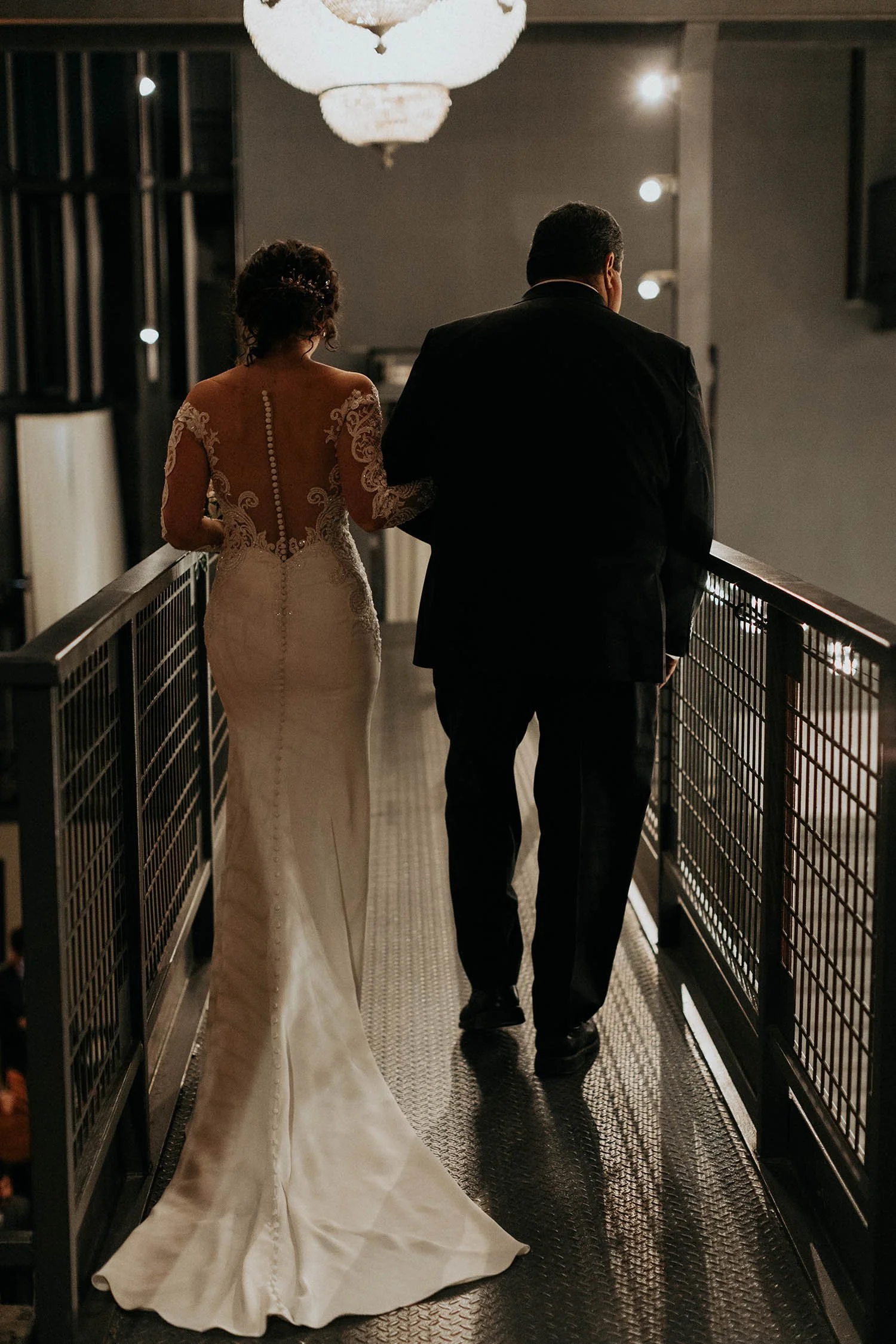
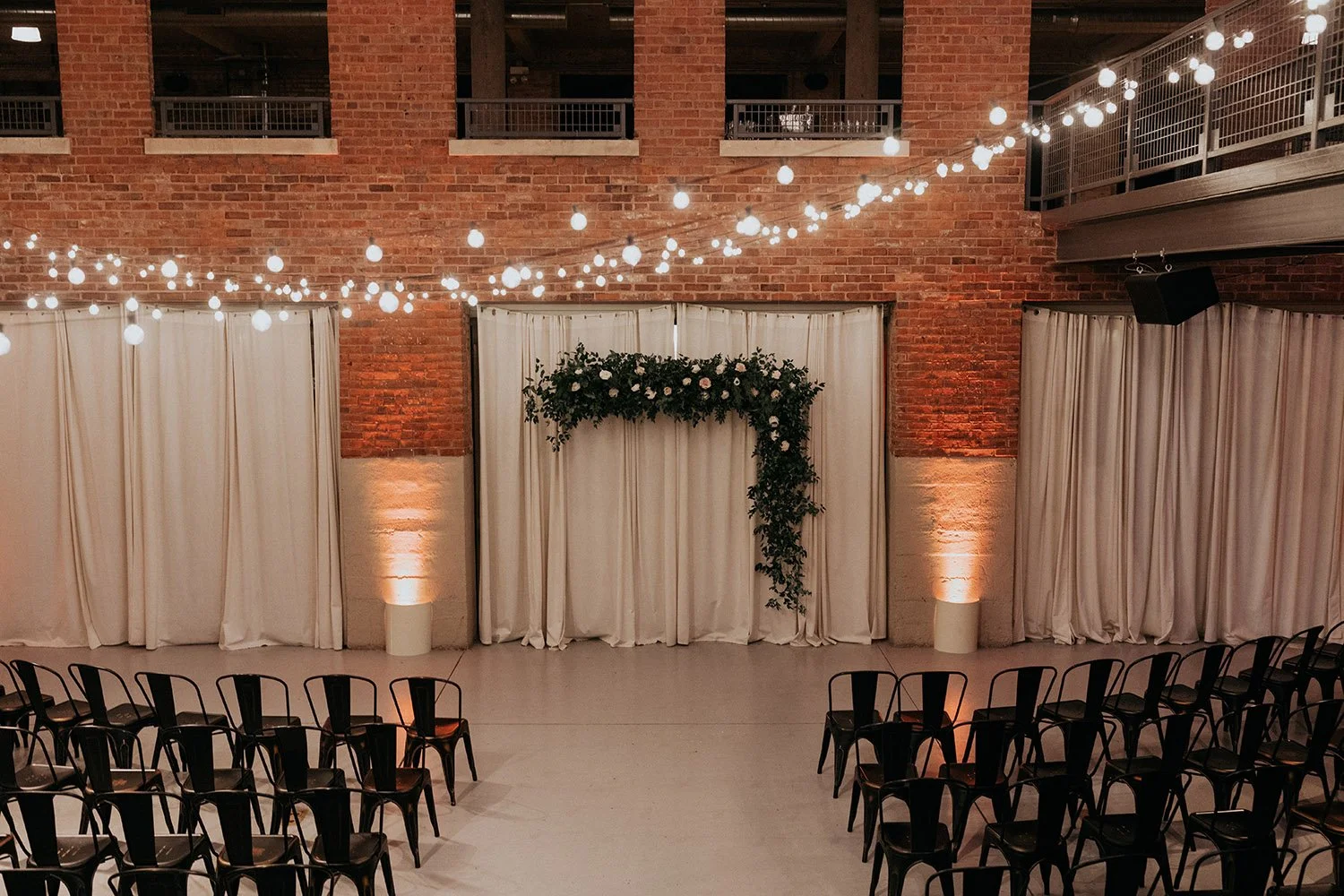
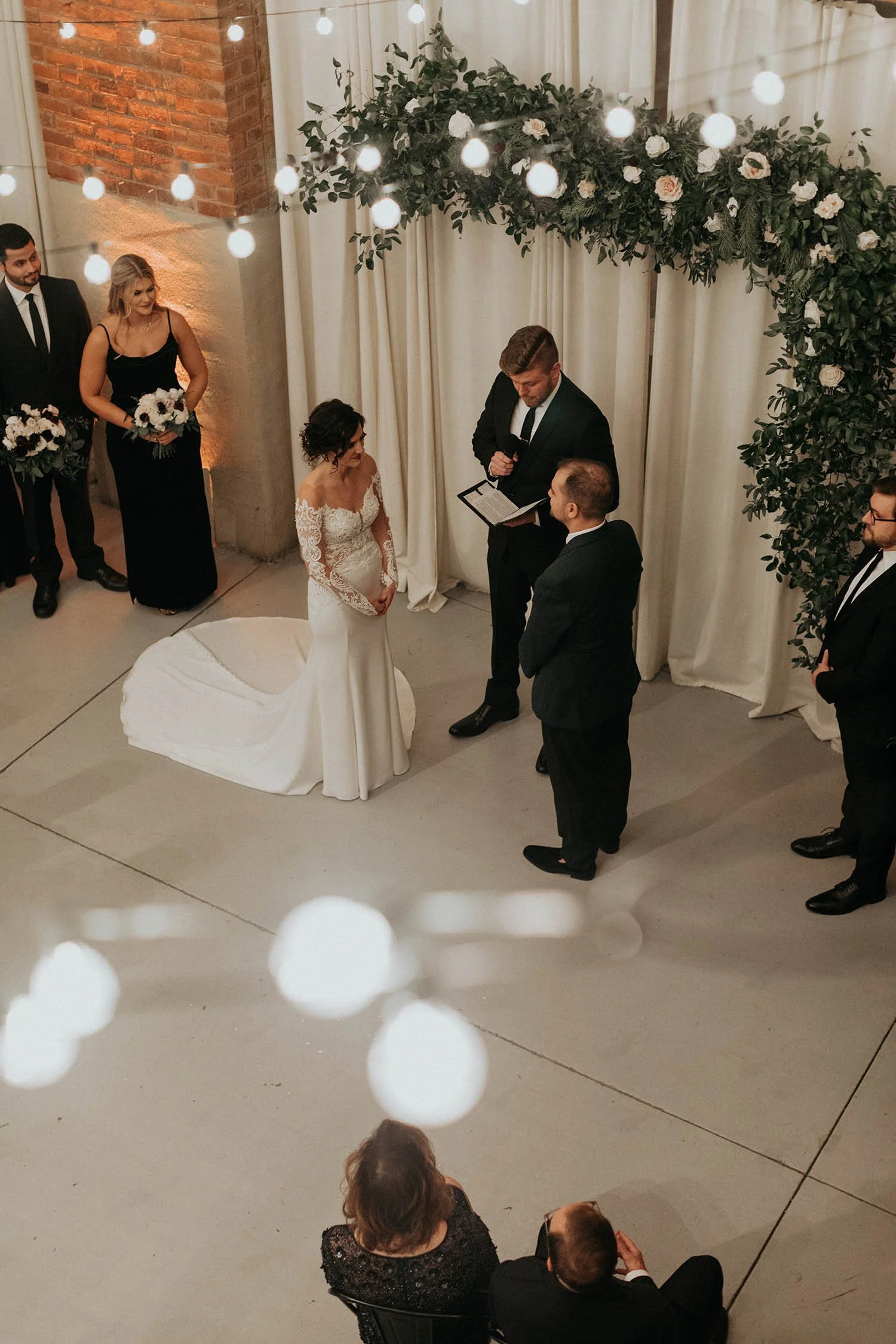
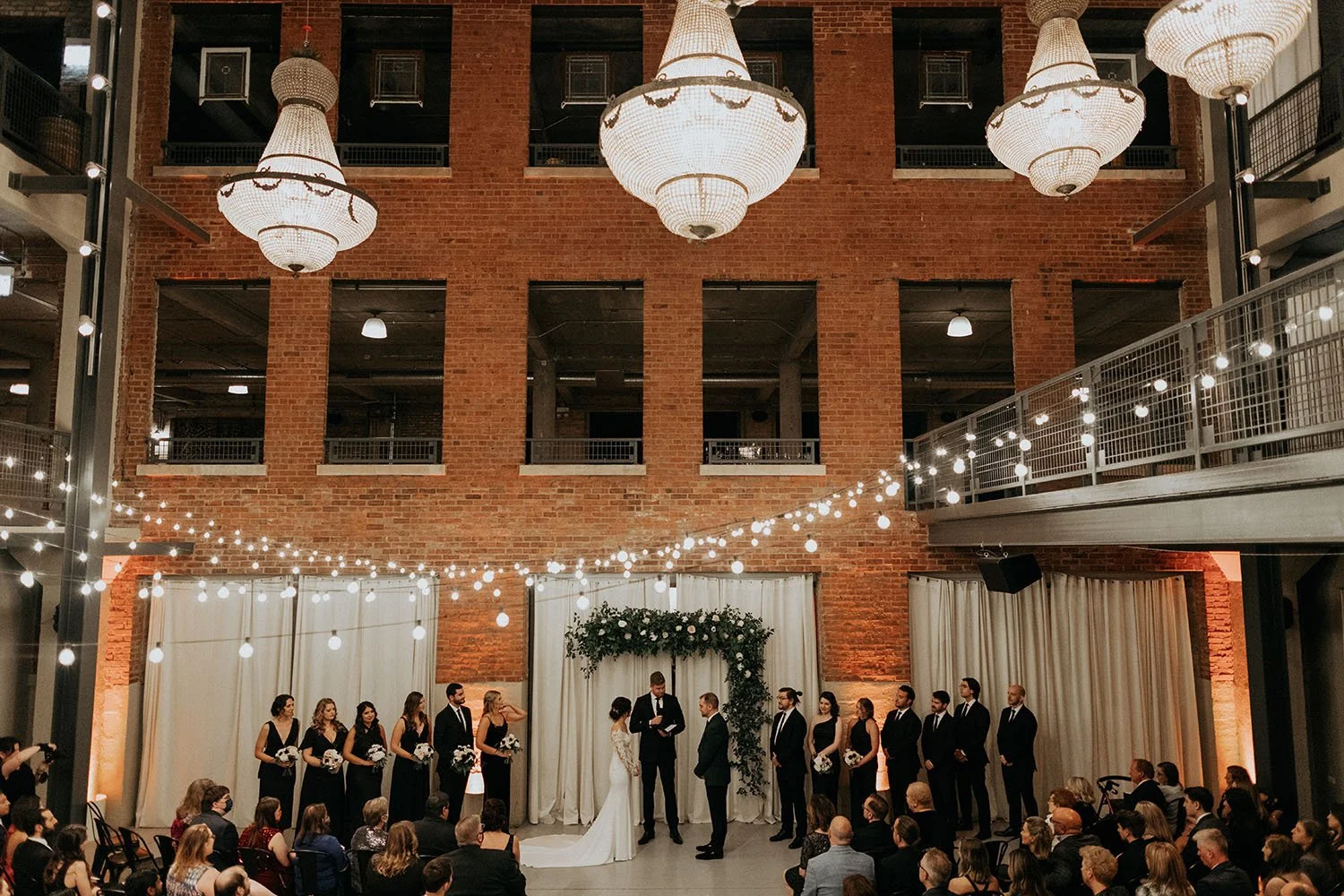
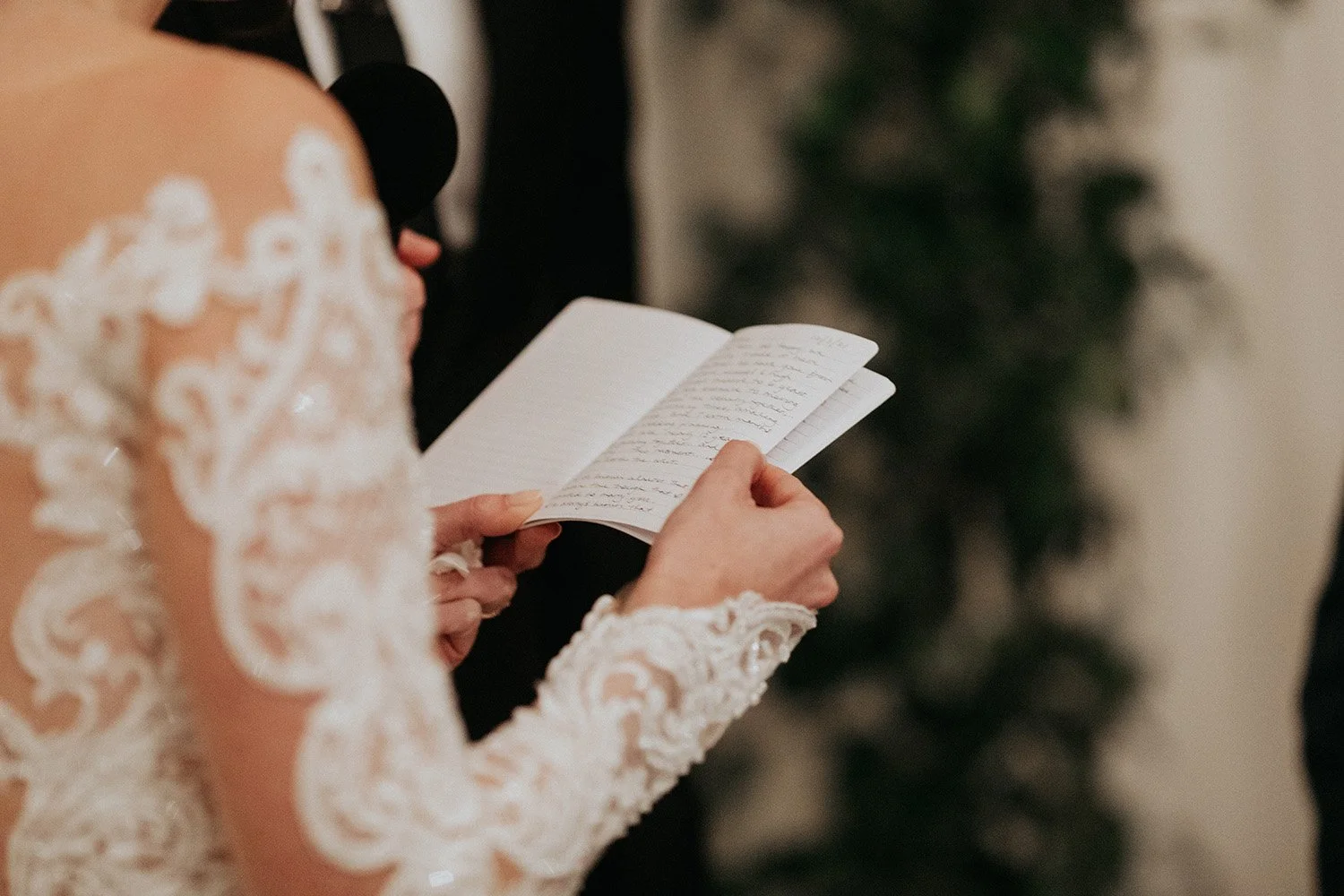
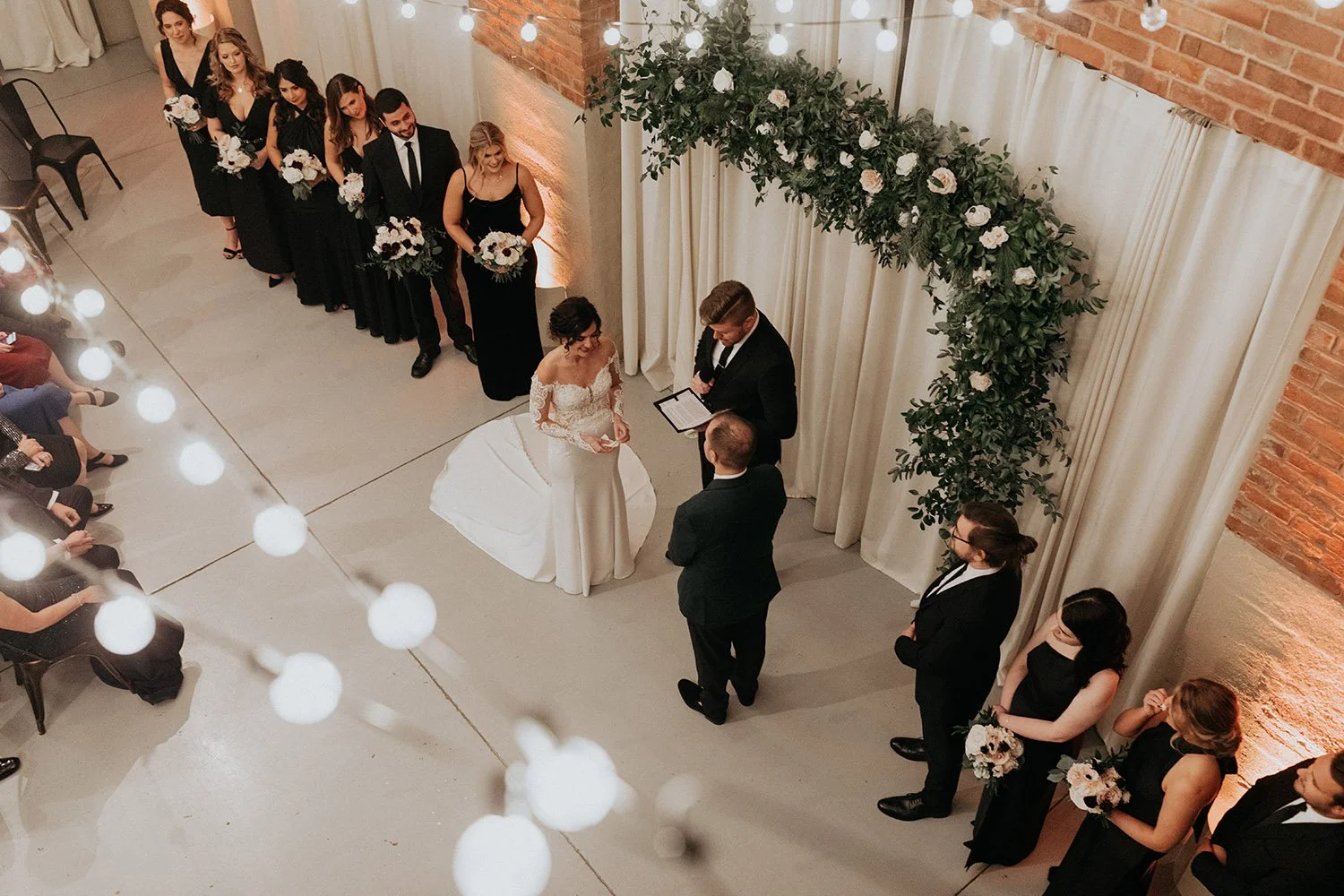
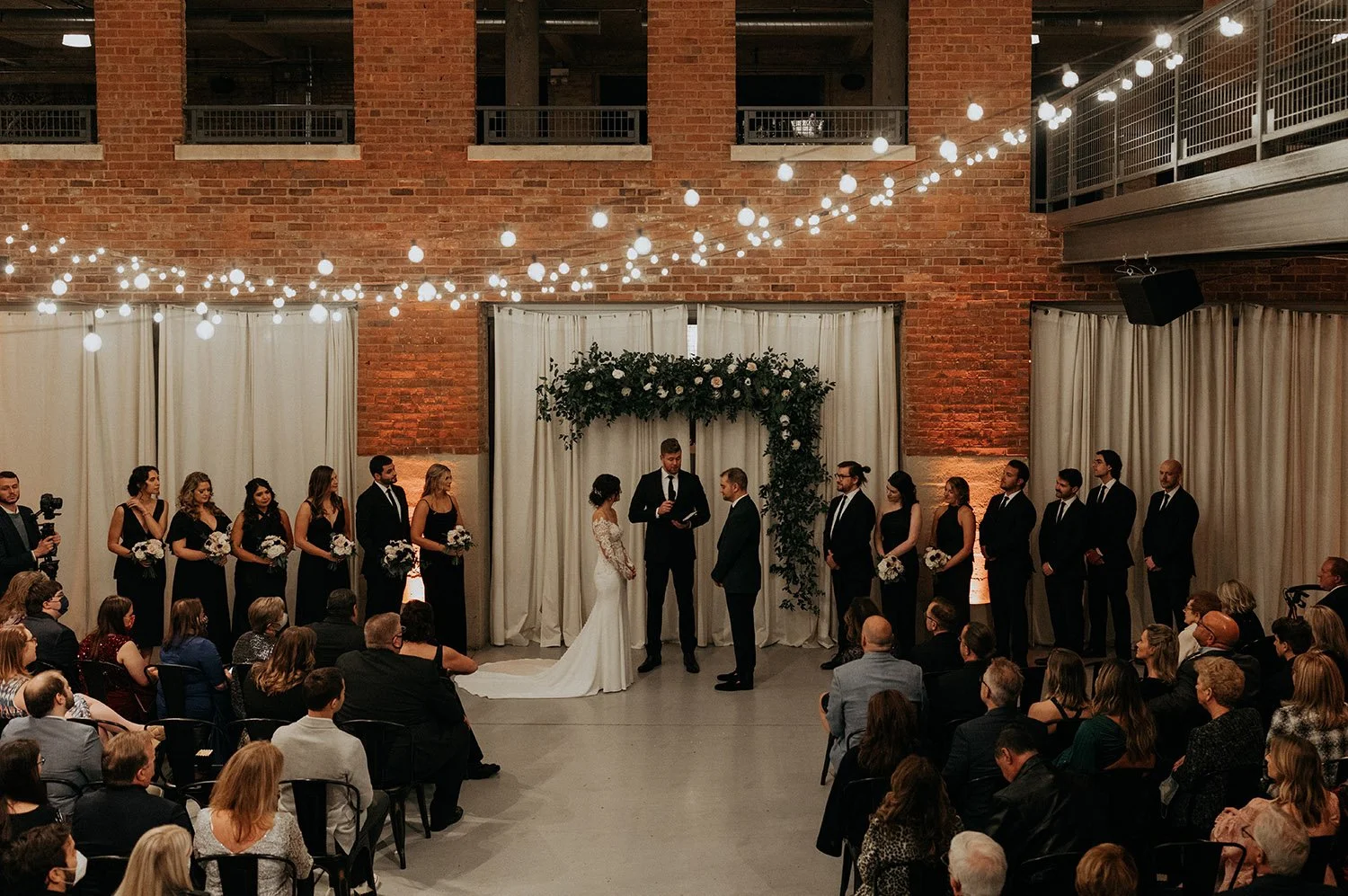
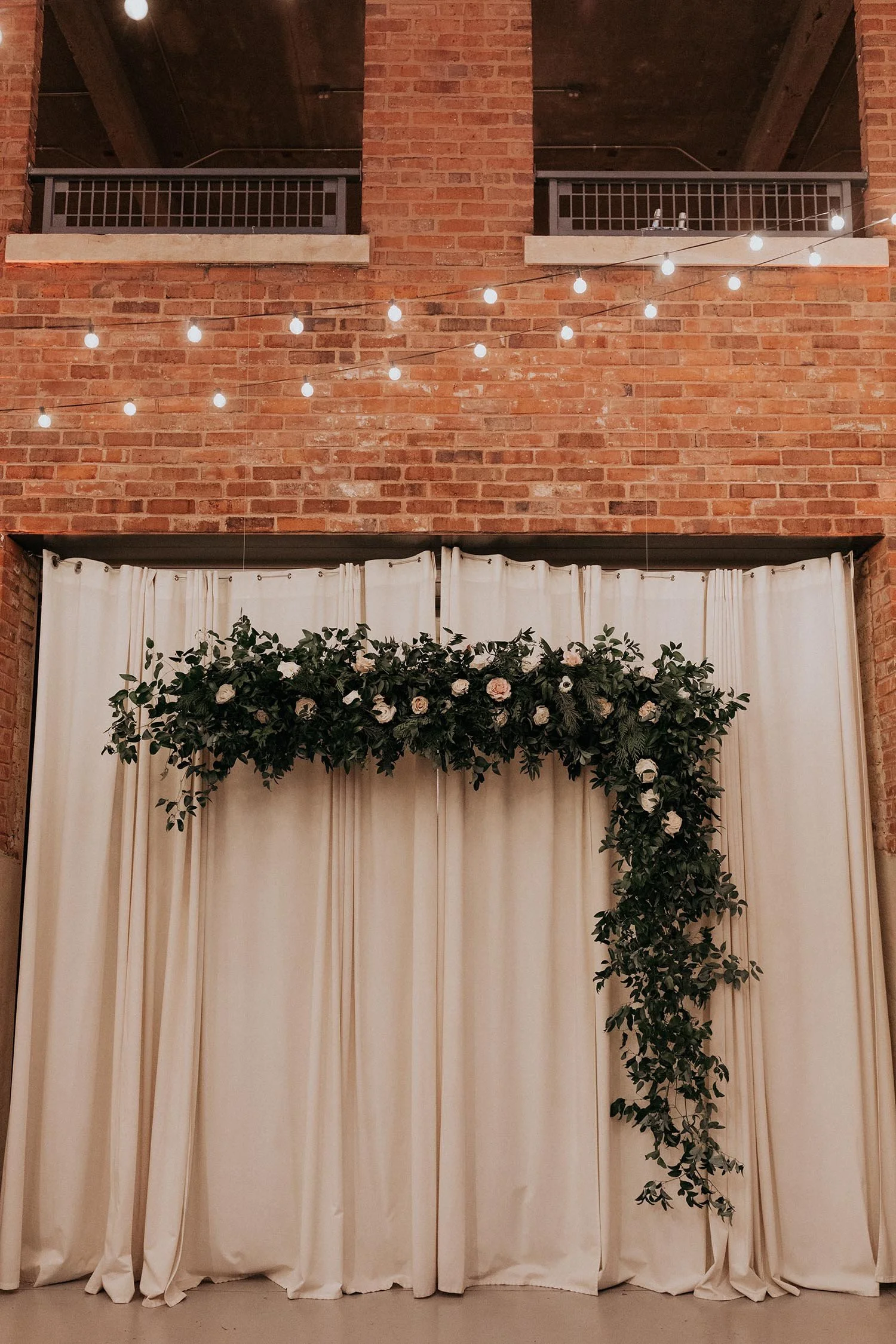
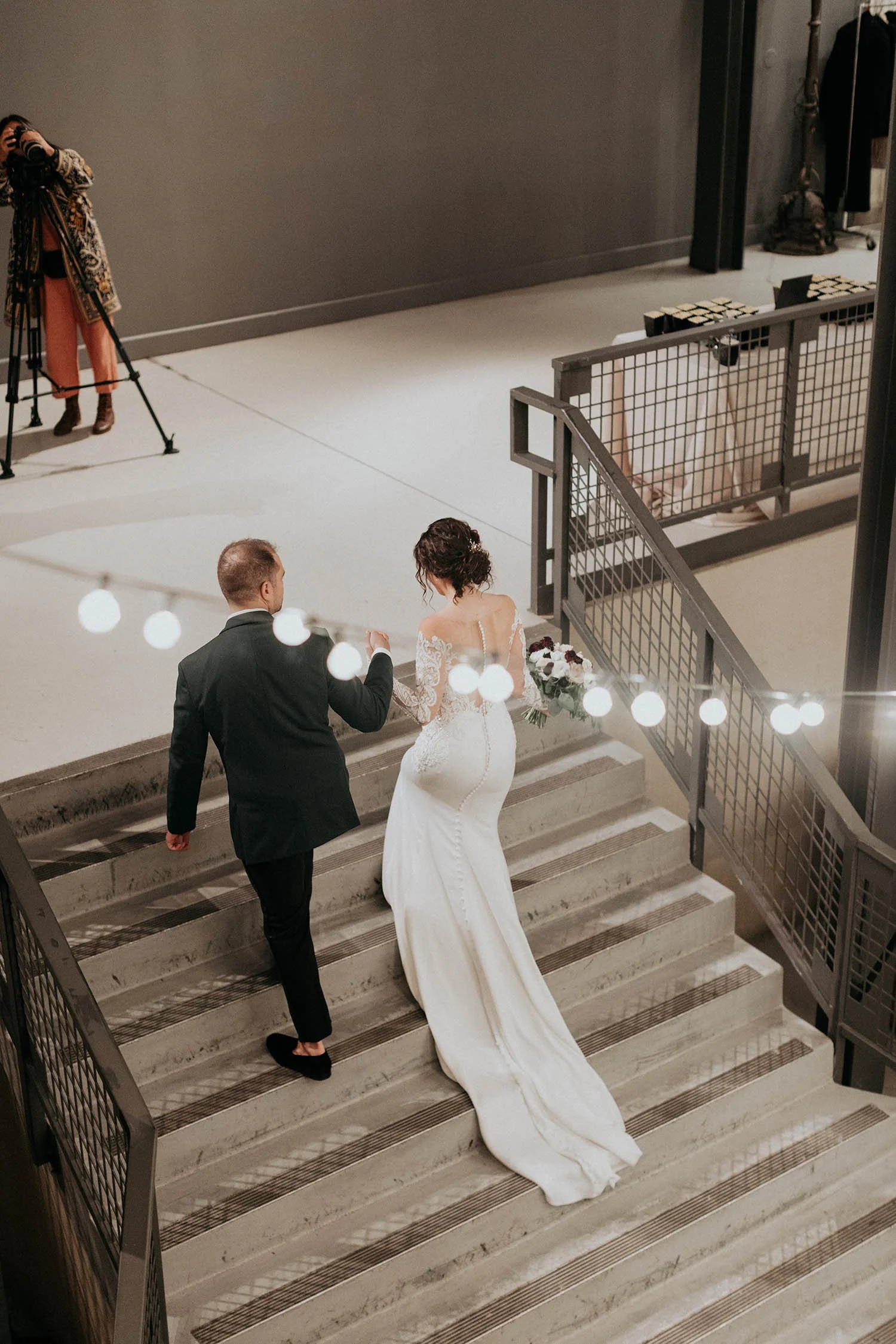
Photos courtesy of: Alisha Tova Photography
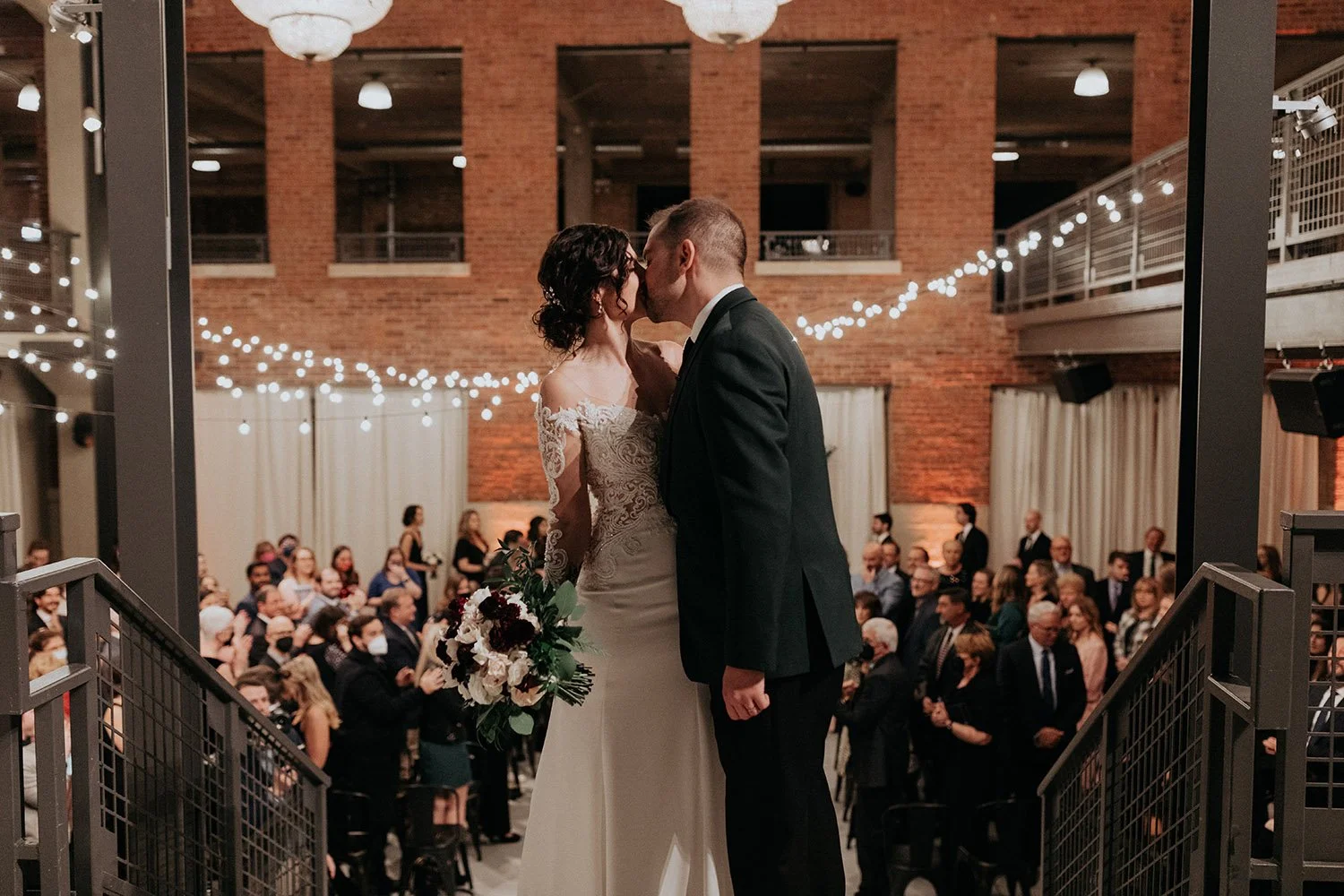
3. Processional Planner
This is the “who walks when” part.
Our processional order:
Officiant, Name
Honored Guests, grandparents, parents, etc
Partner 1 [and parents, tbd]
Wedding Party [pairs or singles]
Littles
Partner 2 [and parents/family, tbd]
Notes for family dynamics / special seating:
Music:
Prelude Music:
Processional - Officiant through Wedding Party:
Sometimes there is a song change for the wedding party, too.
Pause & Song Change for Partner 2:
Recessional:
4. Opening Words
The opening words should welcome everyone and quickly explain why this moment matters.
Pick your opening style:
Short and sweet
Warm and personal
Formal and traditional
Lighthearted
Spiritual / religious
Plug-and-play opening script:
Welcome, everyone. We are gathered here today to celebrate the marriage of [Partner 1] and [Partner 2].
Today is not just about the start of a marriage, but about honoring the relationship they have already built: the love, friendship, laughter, trust, and tiny everyday choices that brought them here.
Make it more personal:
Add a sentence or two about why guests are there:
They are so grateful to be surrounded by the people who have supported, encouraged, and loved them throughout their story.
Or write your own from scratch: [Have fun!!]
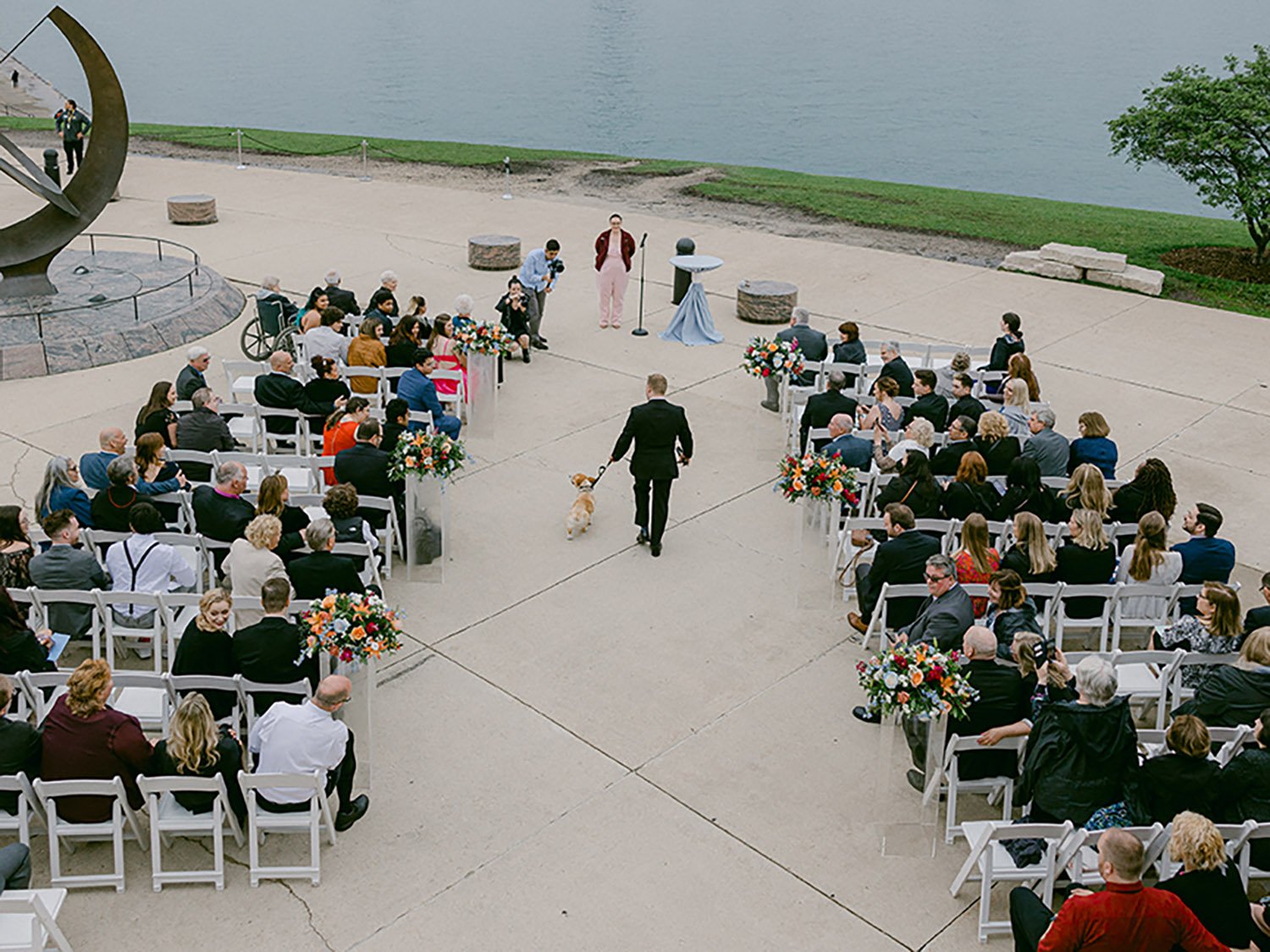
Photo courtesy of: Sandra Armenteros Photography
5. Couple Story / Officiant Remarks
This is where the ceremony starts to feel like you.
Answer these prompts and give them to your officiant:
How did you meet?
What was your first impression of each other?
When did the relationship start to feel serious?
What do you love most about your relationship?
What do your friends and family know to be true about you as a couple?
What should your officiant not mention?
Officiant remarks formula:
[Partner 1] and [Partner 2]’s story began when [how you met]. Since then, their relationship has grown through [shared experiences / values / challenges / adventures].
What stands out most about them is [quality of relationship]. They are the kind of couple who [specific example], and the love they share is rooted in [values].
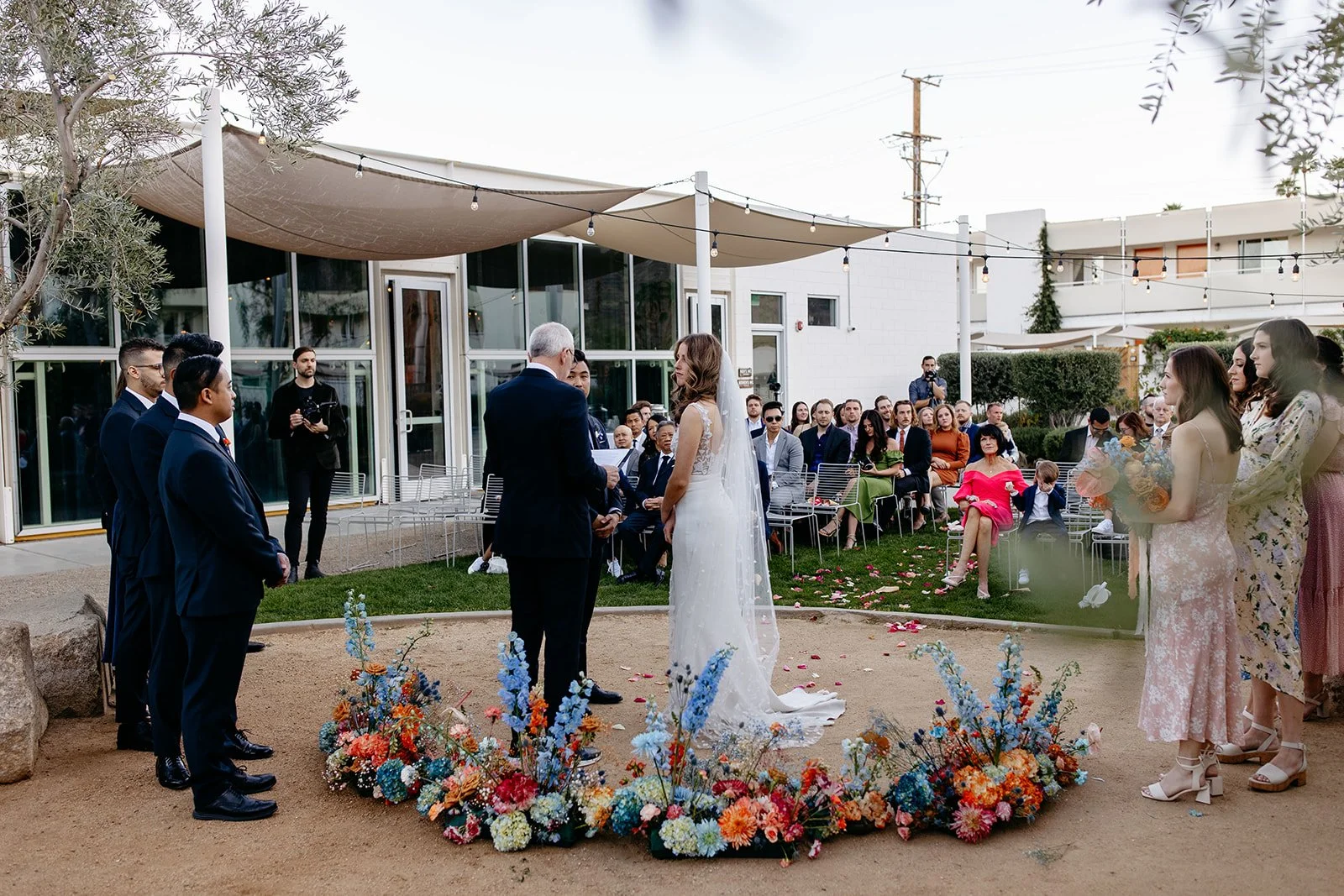
Photo courtesy of: Justine Montigny Photography
6. Readings or Unity Moment
You do not need a reading or ritual unless it adds something meaningful to the both of you. Chat with your families, see if there are traditions that you’d like to pull from, but don’t feel obligated.
We want to include:
No reading or ritual
One reading
Two readings
Unity candle
Sand ceremony
Handfasting
Plant a Tree Together
Wine Boxing Ceremony
Private vow exchange before ceremony
Family blessing
Cultural / religious tradition
Reading details:
Reader name:
Reading title/source:
Approx. length:
Unity moment details:
What is happening?
Who is involved?
What supplies are needed?
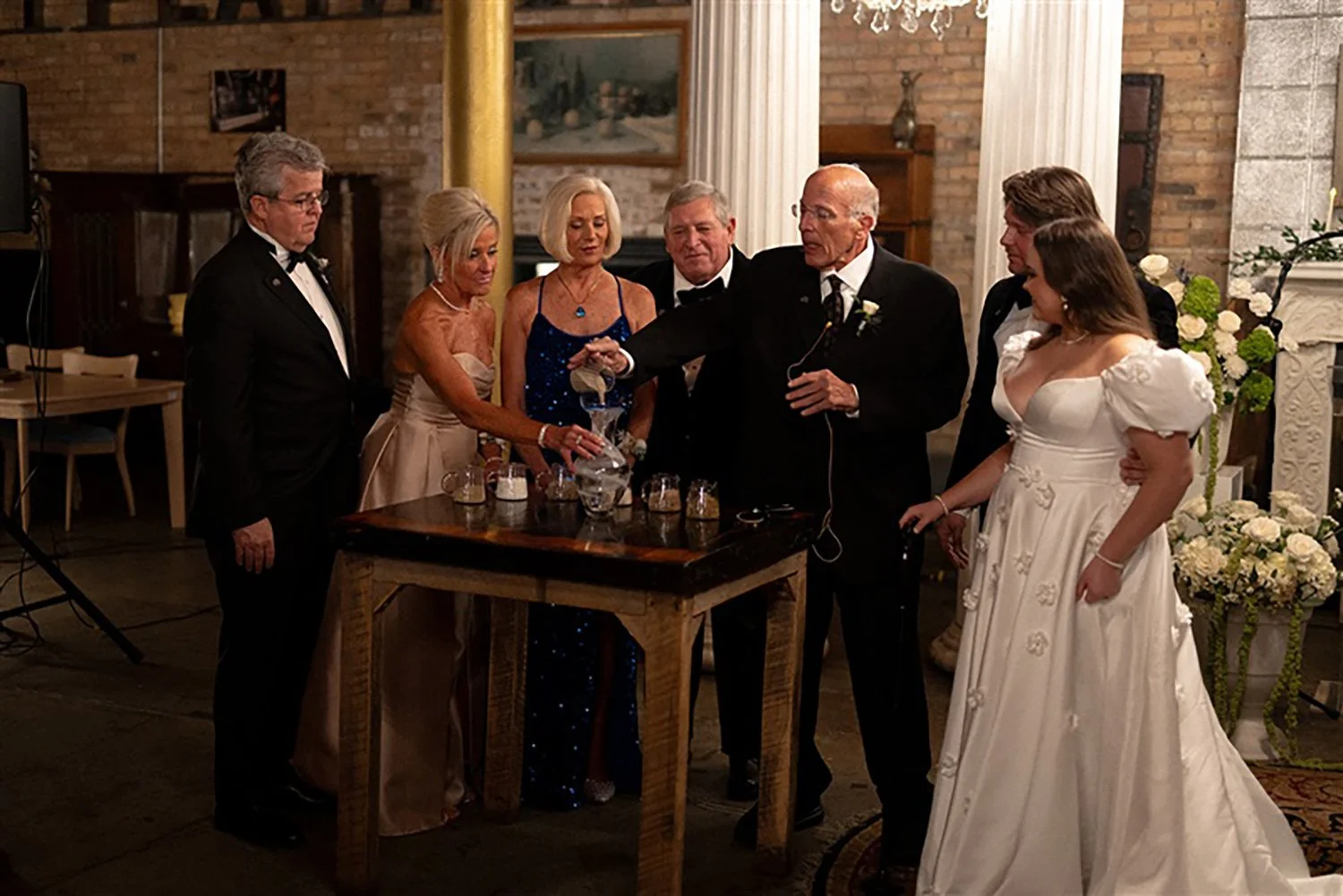
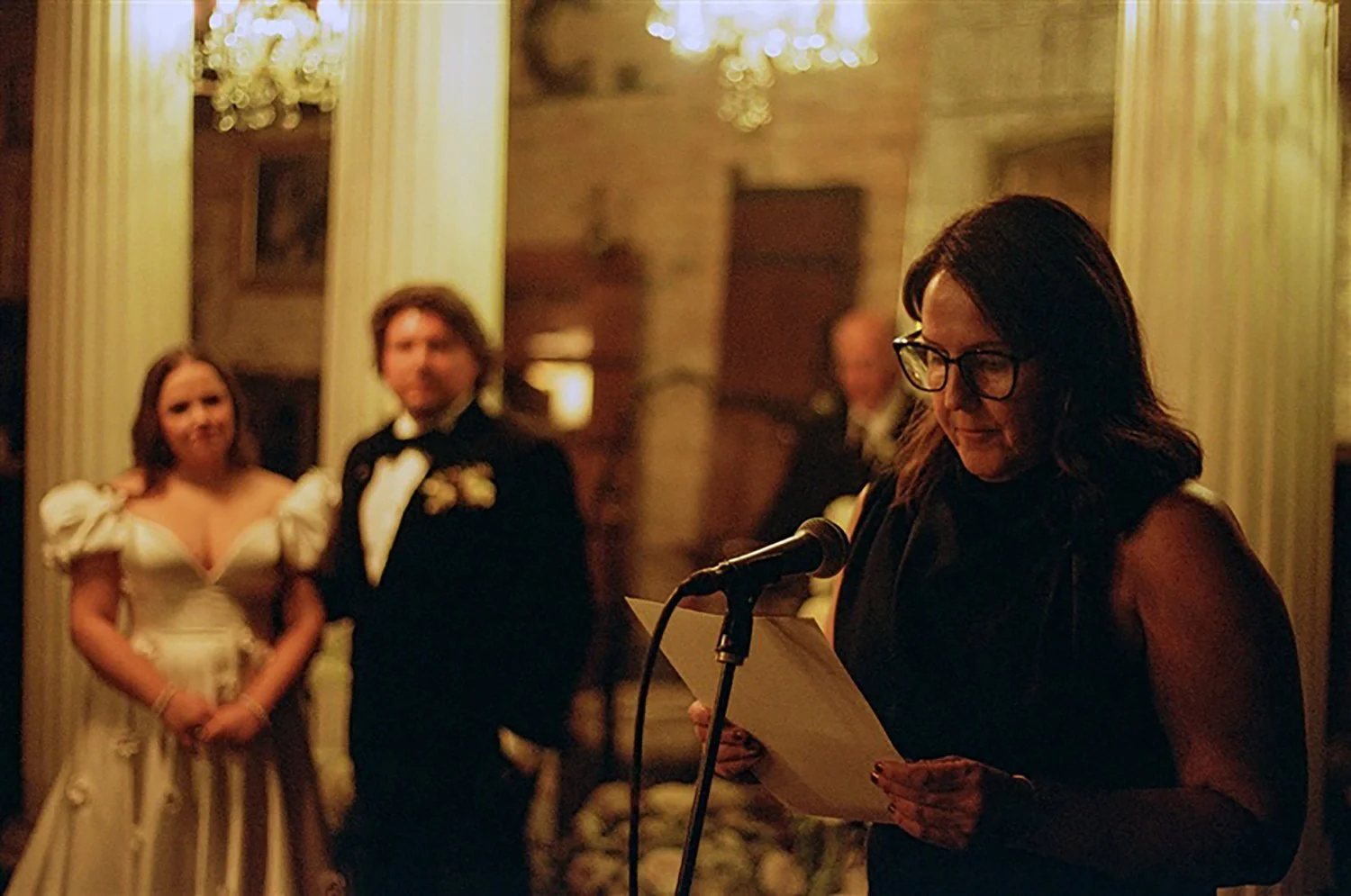
Ceremony Photos courtesy of: Nicole Leone Miller Photography
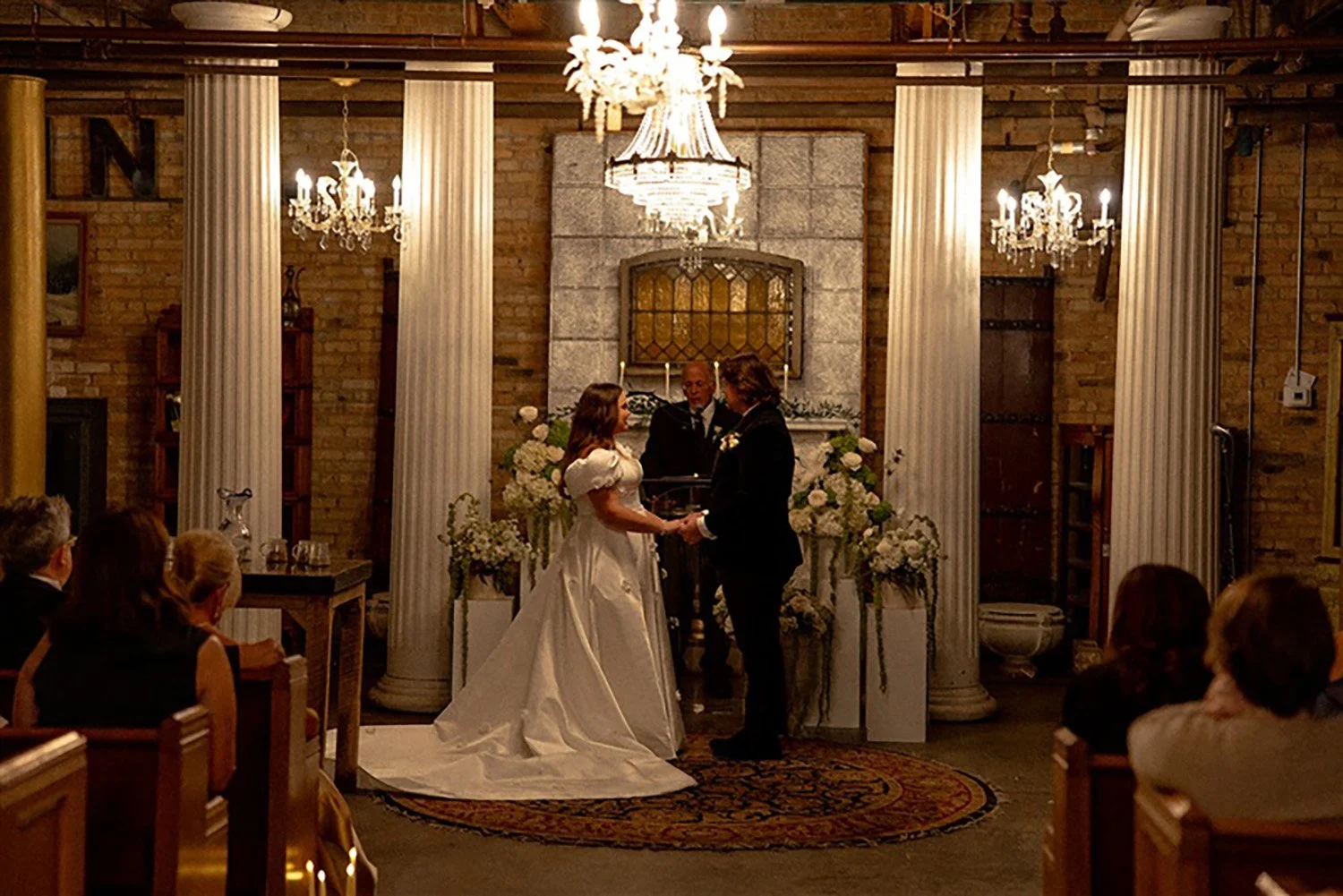
7. Vow Builder
You have two easy options: write personal vows or use the traditional “repeat-after-me” vows.
Option A: Personal Vows
Aim for 1–2 minutes each.
Personal vow formula:
Start with what you love about them.
Share one specific memory or image.
Name what they bring out in you.
Make 3–5 promises.
End with a clear, loving final line.
Personal vow draft:
What I love about you:
A memory or moment that feels like us:
You have taught me / helped me become:
I promise to:
…
…
…
…
…
Final line:
Option B: Repeat-After-Me Vows
I, [Name], take you, [Name], to be my partner in marriage.
I promise to love you, support you, laugh with you, and grow with you.
I promise to choose you in the easy moments and the hard ones.
I promise to be your teammate, your safe place, and your biggest fan.
Today and every day, I choose you.
OR
I, [Name], take you, [Name],
To be my wedded wife/husband/partner,
to have and to hold,
from this day forward,
for better, for worse,
for richer, for poorer,
in sickness and in health,
to love and to cherish,
for all time and eternity.
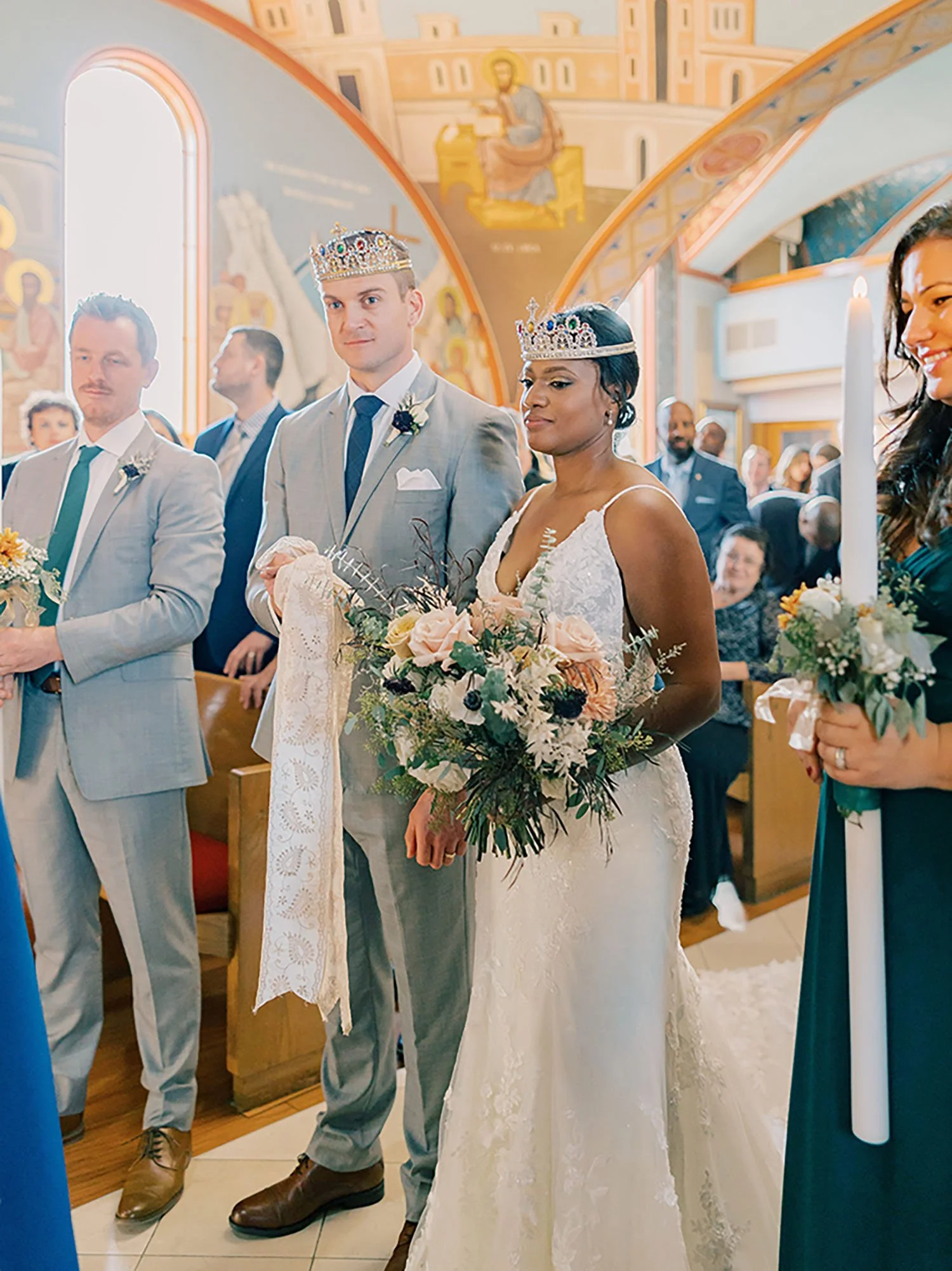
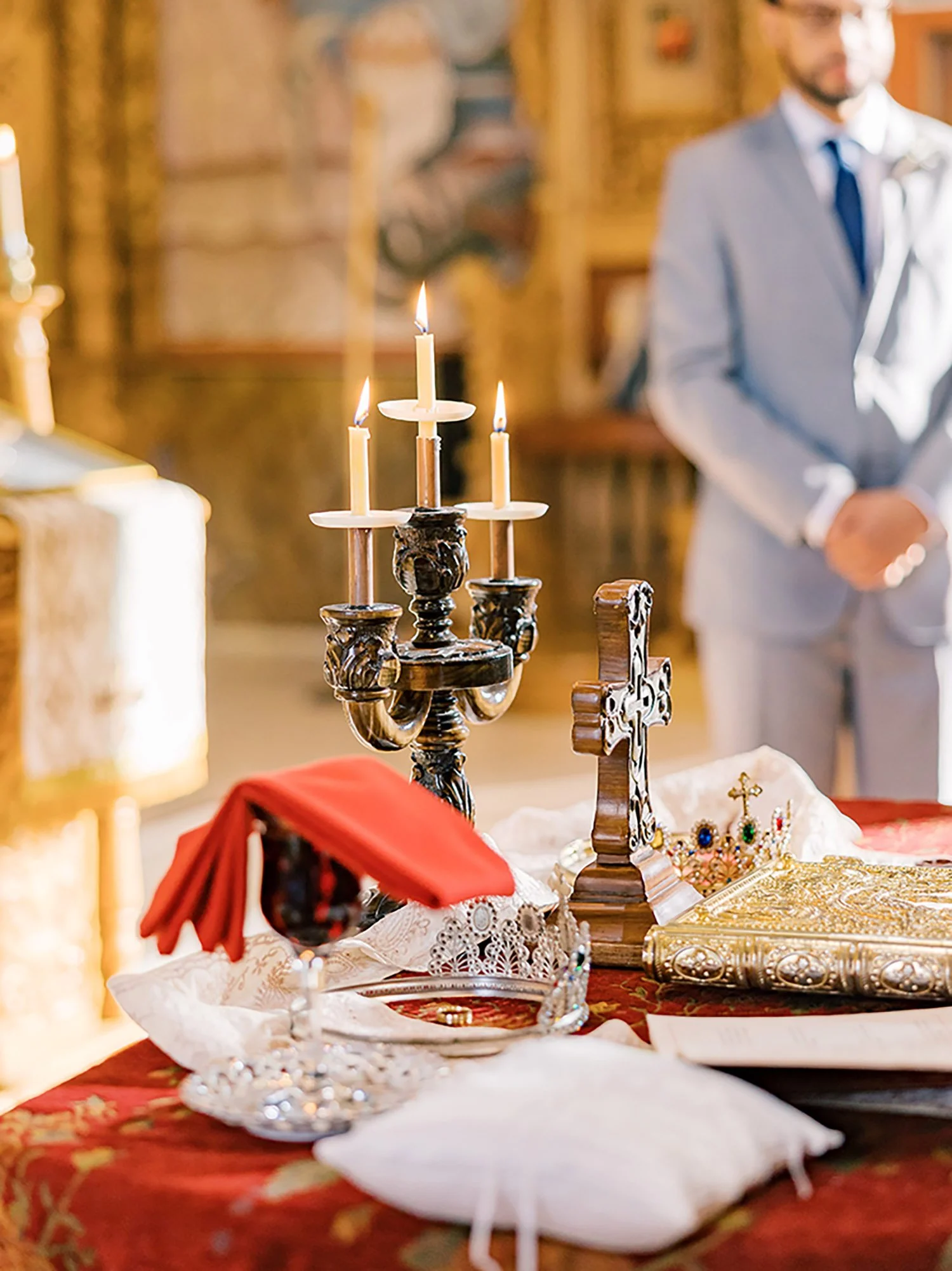
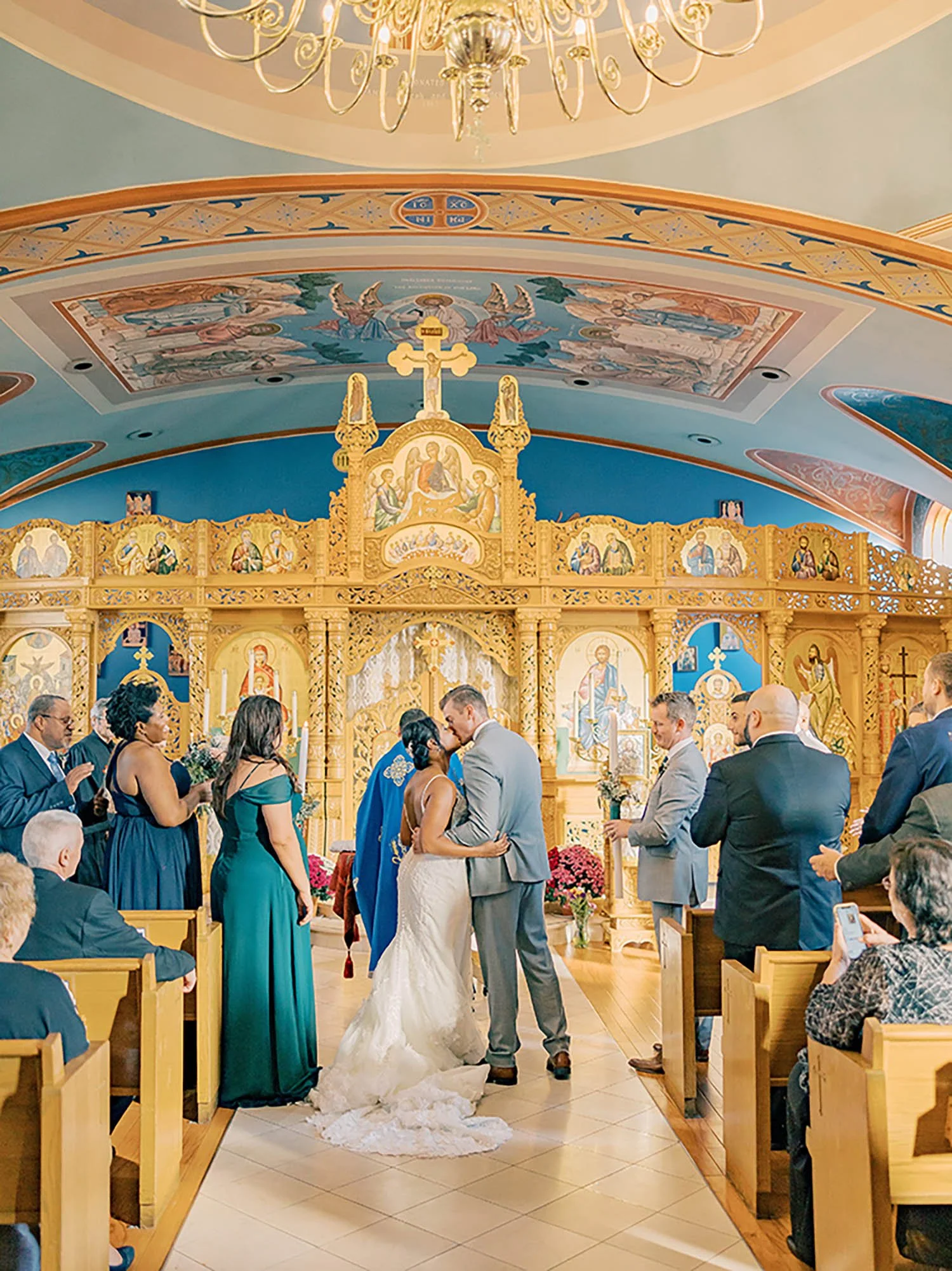
8. Ring Exchange
This part can be short. Truly. Let the rings do their little symbolic job.
Ring exchange script:
These rings are a symbol of the promises you are making today: a circle with no beginning and no end, representing the love, trust, and commitment you share.
Repeat-after-me ring words:
[Partner 1], place the ring on [Partner 2]’s finger and repeat after me:
I give you this ring as a symbol of my love and commitment.
With this ring, I choose you today and always.
[Partner 2], place the ring on [Partner 1]’s finger and repeat after me:
I give you this ring as a symbol of my love and commitment.
With this ring, I choose you today and always.
NOTE: Sometimes, RIGHT HERE is a great time to give the guests instructions! When and where cocktail hour is? When and where family photos are? Anything specific you need their attention for. They are actually listening at this moment. After the kiss, no one is listening anymore!
9. Pronouncement + Kiss
Pick your pronouncement style:
“I now pronounce you married.”
“I now pronounce you husband and wife.”
“I now pronounce you wife and wife.”
“I now pronounce you husband and husband.”
“I now pronounce you partners for life.”
Script:
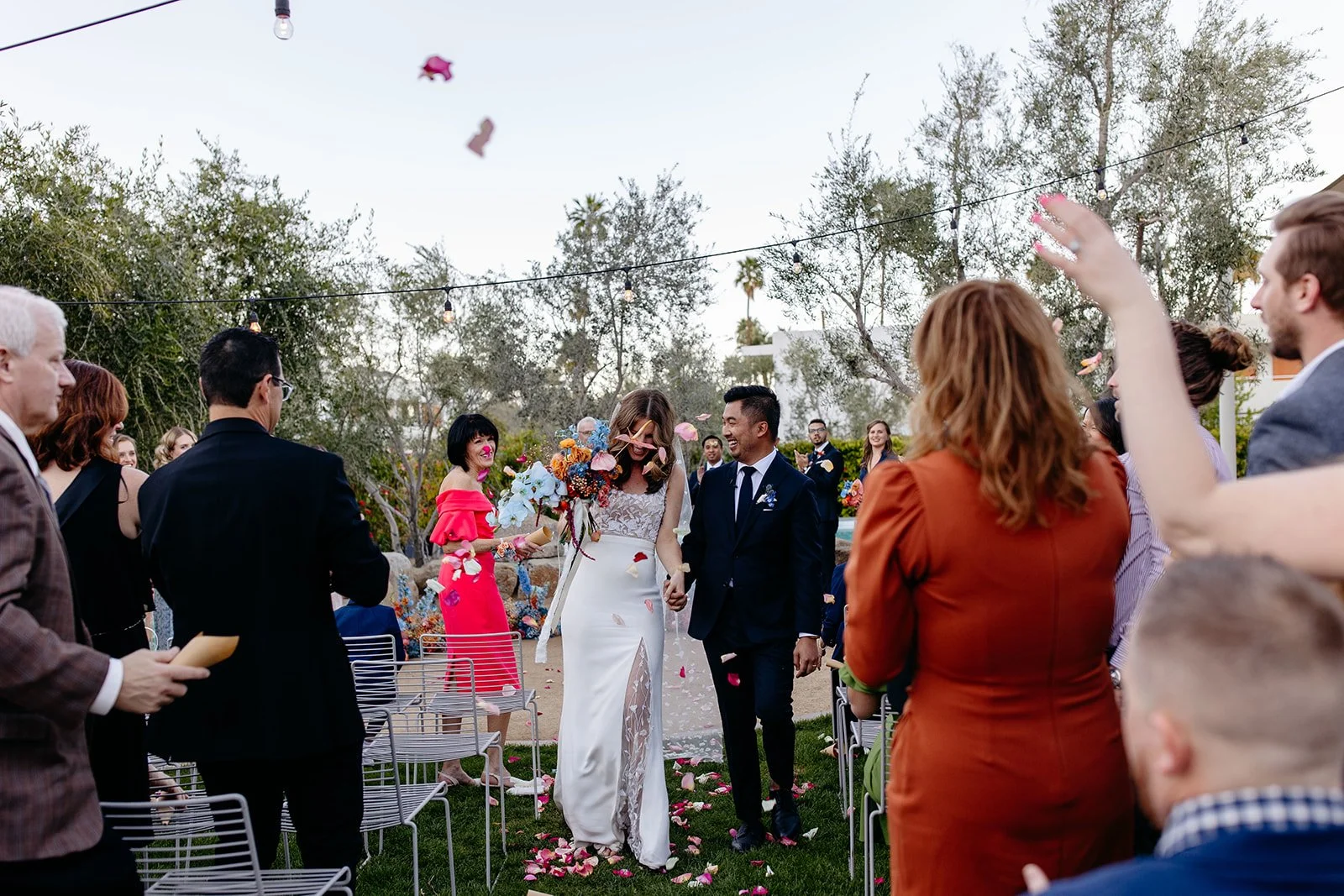
By the power vested in me [by the State of XX], and with so much joy, I now pronounce you [married / husband and wife / wife and wife / husband and husband / partners for life].
You may kiss!
10. Recessional Planner
Recessional music:
Recessional order:
Couple
Wedding party / attendants
Immediate family
Guests
Notes:
11. Officiant Handoff Checklist
Send your officiant:
Final ceremony script
Pronunciation notes
Processional order
Recessional order
Who has the rings
Marriage license instructions
Readings / reader names
Unity ritual details and supplies
Any topics or stories to avoid
Tone preferences
Pronunciation notes:
Ring holder:
Marriage license plan:
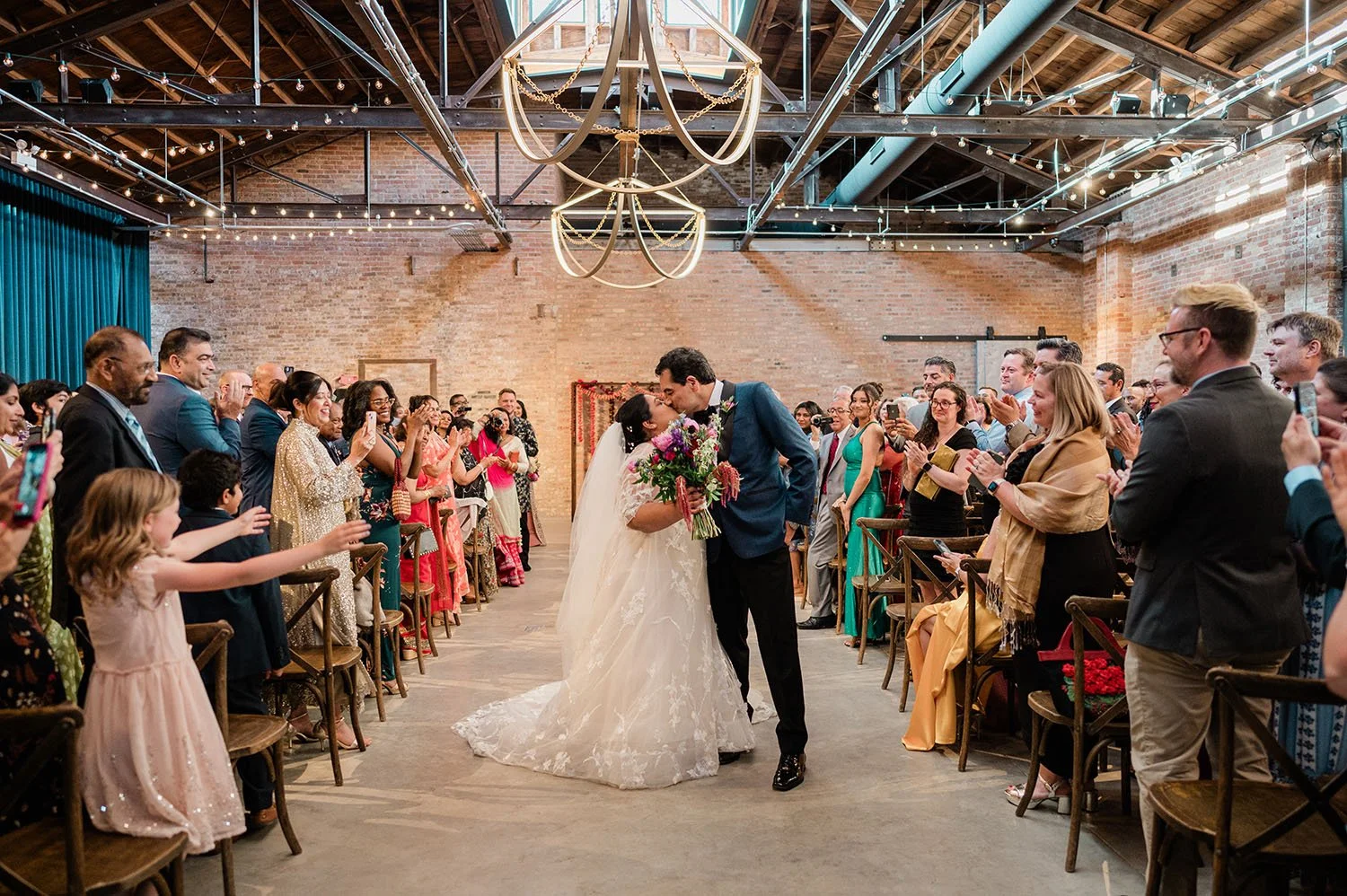
Photo courtesy of: Fox + Ivory Photography
13. Quick Ceremony Gut Check
Before you call it totally done, ask:
Does this sound like us?
Is it clear who is doing what?
Is anything too long?
Is anything missing legally or logistically?
Have we given our officiant enough direction?
Would we feel good hearing this out loud in front of our people?